
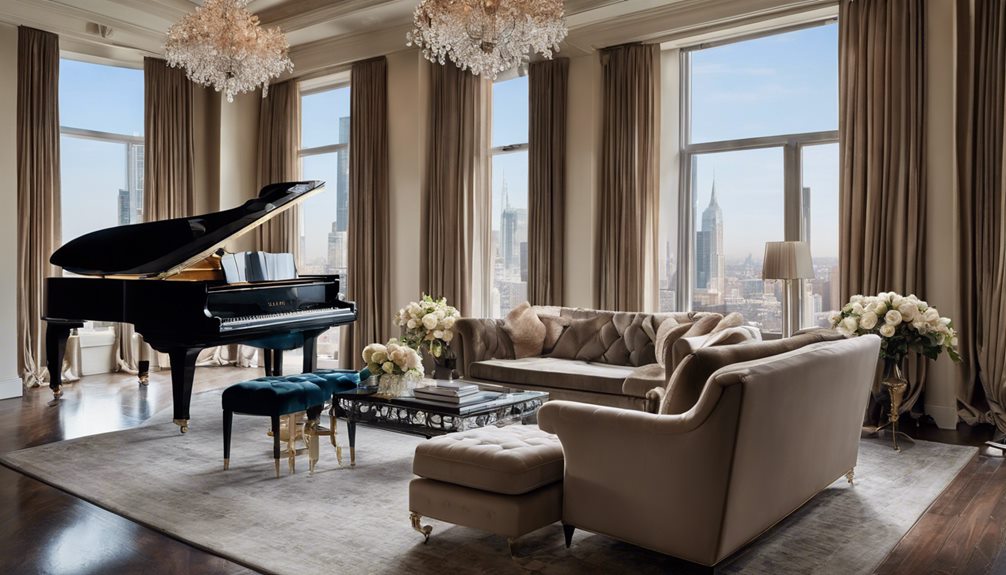
High-end property sellers and real estate agents understand that staging is a critical element in showcasing luxury homes, as it enables discerning buyers to envision themselves living in the space and makes a lasting impression that can greatly drive up sale prices. ultimately. Effective staging highlights unique architectural features, creates emotional connections, and resonates with diverse lifestyles, all during maximizing space and flow. and expertly incorporating the outdoors. To unleash the full potential of staging in selling high-value homes, it is vital to understand the nuances of this strategic marketing tool, and discover how to utilize its influence to enhance the selling experience. and achieve unparalleled results.
Understanding Luxury Home Buyers
Affluent buyer preferences tend to revolve around bespoke experiences, customized to their individual needs and tastes. They crave amenities that cater to their lifestyle, such as high-end appliances, smart home technology, and luxurious finishes. Additionally, they value exclusivity, seeking properties that offer a sense of seclusion and privacy.
In the domain of luxury real estate, the art of staging plays a pivotal role in enchanting the discerning buyer. By thoughtfully curating the space to highlight its best features, sellers can create an immersive experience that resonates with the affluent buyer's psyche. Effective staging not only showcases the property's unique characteristics but likewise speaks to the buyer's desire for prestige and exclusivity, eventually driving purchasing decisions.
Highlighting Unique Architectural Features
High-end homes often boast unique architectural features that set them apart from more modest properties. To showcase these distinguishing elements, it is crucial to strategically accentuate ceiling heights, creating a sense of grandeur and openness that luxury buyers crave. Furthermore, custom millwork, such as intricate trim and molding, should be highlighted to emphasize the home's craftsmanship and attention to detail.
Accentuate Ceiling Heights
Many high-value homes boast soaring ceiling heights, a design element that can evoke a sense of grandeur and luxury. When staging a high-end property, it's crucial to accentuate these vertical spaces to create a dramatic and impressive atmosphere. Effective ceiling treatments can make a significant impact on the overall aesthetic of a room, drawing the eye upward and emphasizing the sense of height.
To maximize the visual impact of high ceilings, consider using minimalist light fixtures that don't obstruct the vertical view. This allows the eye to travel freely up the ceiling, creating a sense of airiness and openness. Furthermore, select furniture pieces that are proportionate to the ceiling height, avoiding low-slung sofas or chunky armchairs that can make the space feel cramped.
Showcase Custom Millwork
High-value homes often feature custom millwork, a unique architectural element that adds character and sophistication to a room. This attention to detail is a hallmark of luxury properties, and showcasing it effectively is essential in staging.
To highlight custom millwork, consider the following strategies:
- Spotlighting: Use directional lighting to draw attention to intricate details, such as carved wooden panels or ornate trim work.
- Furniture placement: Position furniture to create a clear line of sight to the custom millwork, allowing potential buyers to appreciate its craftsmanship.
- Minimize clutter: Remove any clutter or distractions that may draw attention away from the custom millwork, ensuring it remains the focal point of the room.
Creating Emotional Connections
A well-appointed foyer, resplendent with a sweeping staircase and crystal chandelier, sets the tone for a luxurious living experience. This is where the art of staging begins, crafting an emotional connection with potential buyers that transcends mere aesthetics. Effective staging is about emotional storytelling, where every detail is carefully curated to evoke a sense of belonging, comfort, and prestige.
Through sensory engagement, high-end homebuyers are transported to a world of refined living, where every aspect of the property is calibrated to resonate with their desires and aspirations. The subtle nuances of lighting, texture, and color palette converge to create an immersive experience, making it easy for buyers to envision themselves living in the space. A thoughtfully placed piece of art, a vase of fresh flowers, or the subtle scent of vanilla can evoke a deep emotional response, making the property feel like home.
Staging for Different Lifestyle Types
Beyond the universal appeal of luxury, high-end homes cater to diverse lifestyles, each with its unique preferences and priorities. Effective staging recognizes and caters to these differences, showcasing the property's potential to meet the distinct needs and desires of potential buyers.
To resonate with various lifestyle types, consider the following staging strategies:
- Urban chic: Highlight sleek, modern designs, state-of-the-art tech integration, and luxurious amenities that appeal to city dwellers seeking sophisticated living.
- Family friendly: Emphasize spacious, multifunctional areas, cozy nooks, and outdoor entertaining spaces that accommodate growing families and their active lifestyles.
- Eco-conscious: Incorporate eco-friendly staging elements, such as sustainable materials, energy-efficient appliances, and minimalist aesthetics that appeal to environmentally aware buyers.
The Art of Editing and Curating
A skilled stager will assess the property, identifying items that improve the space and those that detract from it. This process involves making tough decisions about what to keep, what to store, and what to remove altogether. By doing so, the stager can create a cohesive look that showcases the home’s architectural features and highlights its best attributes. They also consider factors such as lighting, furniture arrangement, and color schemes to enhance the overall appeal. Additionally, the stager must be mindful of any HOA rules in property management, ensuring that any changes or enhancements comply with community guidelines. By balancing aesthetics with regulations, they help create a welcoming environment that attracts potential buyers.
A well-curated space is characterized by a thoughtful color palette and intentional furniture arrangement. Each piece is chosen to complement the others, creating a sense of harmony and flow. This attention to detail allows potential buyers to envision themselves living in the space, rather than being distracted by clutter and chaos. By exercising restraint and careful consideration, luxury homeowners can transform their properties into showstopping spaces that command attention and attract top-dollar offers.
Maximizing Space and Flow
Effective spatial planning is critical in high-value home staging, as it enables potential buyers to envision themselves living in the space. By highlighting focal points and creating seamless changes, stagers can guide the viewer's eye through the property, emphasizing its best features and creating a sense of fluidity. This thoughtful approach to maximizing space and flow can make a significant difference in how buyers experience and perceive the home.
Highlighting Focal Points
In luxury residences, focal points serve as visual anchors, drawing the eye to specific areas and creating a sense of harmony within the space. Strategically placed, they guide the viewer's attention and create a sense of balance and proportion. Effective focal point placement can make a room feel more spacious, and even influence the perceived value of the property.
To maximize the impact of focal points, consider the following:
- Color contrast: Use bold, contrasting colors to draw attention to specific features, such as a statement piece of art or a stunning view.
- Focal point placement: Position focal points in areas where you want to draw the viewer's attention, such as a beautifully designed fireplace or a sleek, modern kitchen island.
- Visual hierarchy: Create a visual hierarchy by using size, color, and placement to guide the viewer's attention to the most important features of the room.
Creating Seamless Transitions
Luxurious open-plan living areas, often a hallmark of high-end homes, rely on seamless shifts to create a sense of fluidity and maximize the illusion of space. This is achieved by strategically designing connections between different zones within the space. A cohesive color palette, thoughtful furniture arrangement, and deliberate lighting design all contribute to a sense of continuity. Accessory selection, area rugs, and artwork placement should likewise be carefully considered to guarantee a harmonious flow. Texture contrast, introduced through varying materials and finishes, adds depth without disrupting the spatial balance. Seasonal decor and scent elements can be incorporated to improve the ambiance without creating visual clutter. By masterfully orchestrating these elements, a sense of effortless transition is created, allowing the eye to move unencumbered throughout the space. The result is a sense of expansive luxury, where the boundaries of the room seem to disappear.
Bringing the Outdoor Space Indoors
As homeowners increasingly prioritize seamless changes between indoor and outdoor living, the boundaries between these spaces are becoming ever more blurred. This shift in design philosophy is particularly important in high-value homes, where the integration of indoor and outdoor spaces can greatly improve the overall living experience.
To bring the outdoor space indoors, consider the following strategies:
- Biophilic design: Incorporate natural elements, such as indoor plants and fresh air, to create a seamless connection between indoor and outdoor spaces.
- Space improvement: Use sliding doors and large windows to blur the lines between indoor and outdoor living, creating a sense of continuity and flow.
- Landscape integration: Incorporate outdoor furniture and seasonal decor to create a cohesive look that extends from the interior to the exterior of the home.
Measuring the ROI of Home Staging
To measure the ROI of home staging, consider the following metrics: staging costs, sale price, and days on market. By comparing the sale price of staged homes to unstaged homes, you can calculate the additional revenue generated by staging. For example, if a staged home sells for $1.5 million, and a similar unstaged home sells for $1.3 million, the ROI on staging would be approximately 15% ($200,000 / $1.3 million).
Buyer perceptions additionally play an essential role in measuring the ROI of home staging. A well-staged home can create an emotional connection with potential buyers, leading to increased interest and offers. By tracking buyer feedback and offers, you can gauge the effectiveness of staging in influencing buyer decisions. By quantifying the ROI of home staging, you can confidently invest in this vital marketing strategy, knowing it will yield a significant return on investment and drive sales success.
Frequently Asked Questions
Can I Stage My Home Myself, or Do I Need a Professional?
Although it's possible to attempt DIY staging, hiring a professional can greatly influence the sale of your high-value home. A professional stager brings expertise in highlighting your home's best features, creating an emotional connection with potential buyers, and showcasing its luxury appeal. If you do decide to take the DIY route, focus on decluttering, depersonalizing, and neutralizing spaces. Research staging tips online, and consider investing in a few key pieces of rental furniture to enhance your space. Nevertheless, for ideal results, consider hiring a professional stager to maximize your home's selling potential.
How Long Does the Home Staging Process Typically Take?
When considering home staging, it's crucial to plan accordingly, as the staging timeline can vary greatly. Factors influencing duration include the property's size, number of rooms, and level of clutter. On average, the staging process can take anywhere from a few days to several weeks. Typically, a professional stager will require 2-5 days for an initial consultation, 1-3 weeks for design and planning, and 1-5 days for installation. Comprehending these staging timeline considerations guarantees a smooth and efficient process.
Are There Any Specific Staging Certifications I Should Look For?
When seeking a professional home stager, look for certifications that demonstrate expertise in staging techniques and a commitment to industry standards. The most reputable certifications include the Accredited Staging Professional (ASP) and the Residential Staging Specialist (RSS). These certifications confirm that the stager has completed rigorous training and has a deep comprehension of effective staging techniques. Opt for a stager with one of these certifications to assure a high-quality staging experience.
Can Home Staging Help Sell My Home in a Slow Market?
In a slow market, effective staging can be a game-changer in selling your home. By showcasing your property in its best light, you can create an emotional connection with potential buyers, differentiating it from the competition. Strategic staging benefits include highlighting the home's best features, creating a sense of flow, and making rooms appear larger. In a slow market, these market strategies can give you a competitive edge, attracting more buyers and driving offers.
Will Staging My Home Increase My Insurance Premiums?
When considering home staging, it's vital to address the concern that it may impact insurance premiums. In reality, staging itself does not directly influence insurance rates. Nevertheless, the added value and upgraded features that come with staging may increase the home's value, which could, in turn, affect insurance considerations. It's important to reassess your policy to guarantee adequate coverage for the newly improved property, but staging itself is not a direct contributor to premium increases.