

Hurricane Maria exposed Puerto Rico’s energy vulnerabilities, leading to a significant shift towards solar power. Solar energy provides a decentralized, resilient, and sustainable solution, reducing the island’s dependence on its fragile centralized grid. Community-based solar projects and rooftop solar installations empower residents with reliable and renewable energy, while substantial investments in infrastructure and battery storage drive this transformation. Government support and innovative solutions like virtual power plants further enhance energy security and resilience. The rise of solar power brings financial relief, job creation, and a greener future to Puerto Rico. Discover how these changes are reshaping the island’s energy landscape.
The Impact of Hurricane Maria
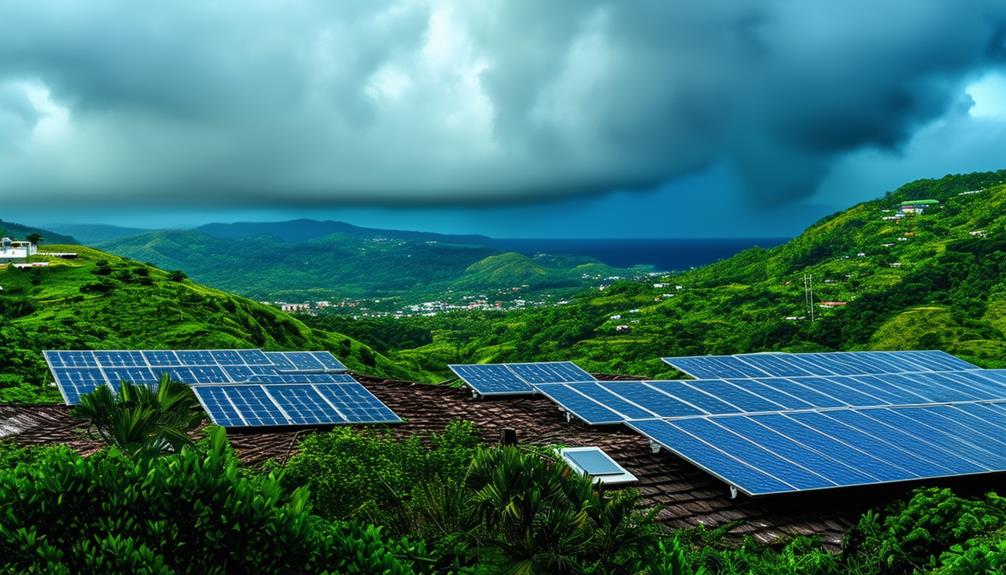
Devastating Puerto Rico in 2017, Hurricane Maria underscored the island’s urgent need for a more resilient and reliable energy system. The widespread destruction exposed the vulnerabilities of Puerto Rico’s centralized power grid, leaving millions without electricity for months and highlighting the critical importance of energy resilience. In the wake of such a catastrophic event, the conversation around renewable energy, particularly solar power, gained momentum as a pathway to fortify the island against future natural disasters.
Solar power emerged as a promising solution to enhance Puerto Rico’s energy resilience. The deployment of rooftop solar systems offers a decentralized approach, reducing the island’s reliance on a fragile centralized grid. By harnessing the abundant sunlight, Puerto Ricans can generate electricity locally, ensuring a continuous power supply even when traditional infrastructure fails. This shift not only addresses the immediate concerns of energy crises but also contributes to long-term climate resiliency.
The integration of solar power into Puerto Rico’s energy landscape isn’t just about adopting cleaner energy; it’s about survival and security. Renewable energy sources like solar power provide a reliable alternative, capable of withstanding the impacts of severe weather events. As communities rebuild, there’s a growing emphasis on incorporating rooftop solar systems, which can be rapidly deployed and scaled to meet local needs.
Benefits of Solar Power
Solar power offers numerous benefits, ranging from enhanced energy security to substantial reductions in carbon emissions. In Puerto Rico, the adoption of solar power has emerged as an essential step towards achieving energy resilience. By investing in solar infrastructure, the island can mitigate the risks associated with centralized power grids, which have proven vulnerable during natural disasters like Hurricane Maria.
Renewable energy sources, particularly solar power, contribute to climate resiliency by reducing reliance on fossil fuels and lowering greenhouse gas emissions. This shift not only helps combat global warming but also promotes a cleaner and healthier environment for the island’s residents. Additionally, solar power systems are less prone to the extensive outages that can cripple traditional power grids, providing a more stable and reliable energy source.
Incorporating solar power into Puerto Rico’s energy landscape also supports sustainable energy goals. Solar infrastructure can be installed on rooftops, in fields, and as part of community-based projects, making it a versatile option for diverse applications. These installations offer inclusive access to energy, empowering communities that might otherwise be overlooked by centralized power systems.
Furthermore, the economic benefits of solar power are substantial. By producing their own electricity, households and businesses can reduce their energy costs significantly. This financial relief is especially important in a place like Puerto Rico, where energy prices have historically been high.
Ultimately, solar power enhances energy security, ensuring that Puerto Rico can better withstand future disruptions. The shift towards renewable energy fosters a more resilient, sustainable, and inclusive energy system for all residents, paving the way for a brighter and safer future.
Community-Based Solar Projects
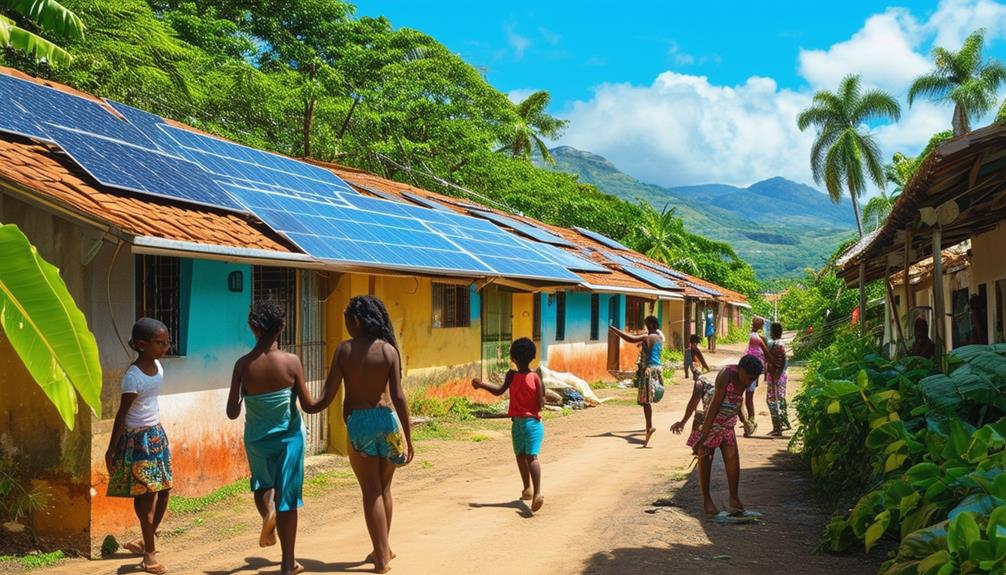
Community-based solar projects in Puerto Rico empower local residents by providing them with direct access to sustainable and resilient energy solutions. These initiatives use renewable energy sources to create decentralized grids that enhance energy security and climate resiliency. By focusing on solar infrastructure at the community level, these projects reduce dependency on centralized power systems, which can be vulnerable during natural disasters.
One of the most significant advantages of community-based solar projects is local empowerment. Residents actively participate in the planning, installation, and maintenance of solar infrastructure, fostering a sense of ownership and responsibility. This inclusive access ensures that everyone benefits from sustainable energy solutions, not just those who can afford individual solar systems. It’s a model that emphasizes equity and shared responsibility, promoting long-term sustainability for the entire island.
Moreover, these projects contribute to Puerto Rico’s climate resiliency. By generating power locally, communities are better prepared to withstand and recover from hurricanes and other extreme weather events. The decentralized nature of these grids means that even if one area is affected, others can continue to function, providing a stable and reliable energy supply.
Community-based solar projects are also essential for long-term sustainability. They reduce greenhouse gas emissions by relying on clean, renewable energy sources, helping Puerto Rico meet its environmental goals. Additionally, these projects often include educational components, teaching residents about the benefits of renewable energy and how to maintain their systems.
Solar Infrastructure Investments
Building on the success of community-based solar projects, significant investments in solar infrastructure are driving Puerto Rico’s shift towards a more resilient and sustainable energy future. This strategic move is vital for enhancing the island’s energy security, especially in the face of frequent natural disasters. By prioritizing solar power, Puerto Rico is taking substantial steps to guarantee its energy system’s robustness and reliability. These advancements not only strengthen the island’s energy independence but also serve as a model for innovative renewable energy solutions in disaster-prone regions. Lessons learned from Puerto Rico’s solar transition could even inform the future of space exploration, where reliable and self-sustaining energy systems are critical for long-duration missions. By integrating cutting-edge technology and community-driven initiatives, Puerto Rico is paving the way for a more sustainable and resilient energy landscape.
These investments in renewable energy are not just about increasing the number of solar panels. They encompass the development of advanced solar infrastructure, including battery storage systems that provide backup power during emergencies. This approach enhances climate resiliency, allowing communities to maintain access to electricity when centralized grids fail. Consequently, Puerto Rico’s energy revolution is not just about adopting new technology but about strengthening the island against future crises.
Puerto Rico’s commitment to solar power also includes large-scale solar farms and microgrids that serve entire communities. These projects reduce reliance on imported fossil fuels, lower carbon emissions, and create a more sustainable energy landscape. By decentralizing the power supply, these initiatives increase resilience and ensure that energy disruptions are minimized.
Moreover, investments in solar infrastructure foster local job creation and economic growth. The focus on renewable energy projects provides training and employment opportunities for residents, promoting a more inclusive and empowered community. As Puerto Rico continues to invest in solar power, it sets a precedent for other regions vulnerable to natural disasters, highlighting the importance of renewable energy in achieving long-term sustainability and energy security.
Rooftop Solar Installations

Rooftop solar installations are rapidly transforming individual homes and businesses in Puerto Rico into self-sufficient energy producers. As the island seeks to enhance its energy resilience, rooftop solar is playing a critical role in reducing reliance on vulnerable centralized grids. By harnessing solar power, Puerto Ricans are taking significant steps toward achieving long-term climate resiliency and sustainable energy solutions.
Puerto Rico boasts one of the highest rates of solar installations per capita in the Caribbean. This surge in rooftop solar projects is not just a trend but a necessary evolution in the face of frequent natural disasters. It’s clear that community-based solar projects are empowering neighborhoods, providing them with reliable and renewable energy sources that can withstand the island’s harsh climate conditions.
These rooftop solar systems contribute to decentralized grids, which are less susceptible to widespread outages. When centralized power plants fail, homes and businesses with rooftop solar can continue operating independently, ensuring greater energy security and safety for residents. This decentralization is a cornerstone of Puerto Rico’s efforts to build a more resilient energy infrastructure.
Moreover, rooftop solar installations are a reflection of the island’s commitment to renewable energy. They reduce carbon emissions and provide a cleaner, safer environment for future generations. As more residents and businesses adopt these systems, the cumulative impact accelerates Puerto Rico’s shift to a more sustainable energy future.
Solar Panel Costs and Incentives
Understanding the costs and available incentives for solar panels is essential for Puerto Ricans considering the switch to renewable energy. The initial investment in solar panels can be substantial, but the long-term savings and benefits often outweigh these upfront costs. In Puerto Rico, the price of installing solar panels varies depending on factors such as system size, type of panels, and the complexity of the installation. Typically, the costs range from $10,000 to $30,000 for residential systems, which can be challenging for many households.
However, various incentives can greatly reduce these costs, making solar power more accessible. Federal tax credits, such as the Investment Tax Credit (ITC), allow homeowners to deduct a significant portion of their solar installation costs from their federal taxes. In addition, Puerto Rico offers local incentives to promote the shift to renewable energy. These incentives include rebates and grants that can cover a portion of the installation expenses.
Community-based solar projects are another avenue to explore, especially for those who might find individual installations overwhelming. These projects allow multiple households to share the costs and benefits of a single solar power system, making sustainable energy more attainable for entire communities. They also foster a sense of collective responsibility and empowerment in the move toward renewable energy.
Moreover, financing options such as solar loans and power purchase agreements (PPAs) can make the shift smoother. With these options, homeowners can pay for their solar panels over time, often with monthly payments lower than their current energy bills.
Hybrid Solar Systems
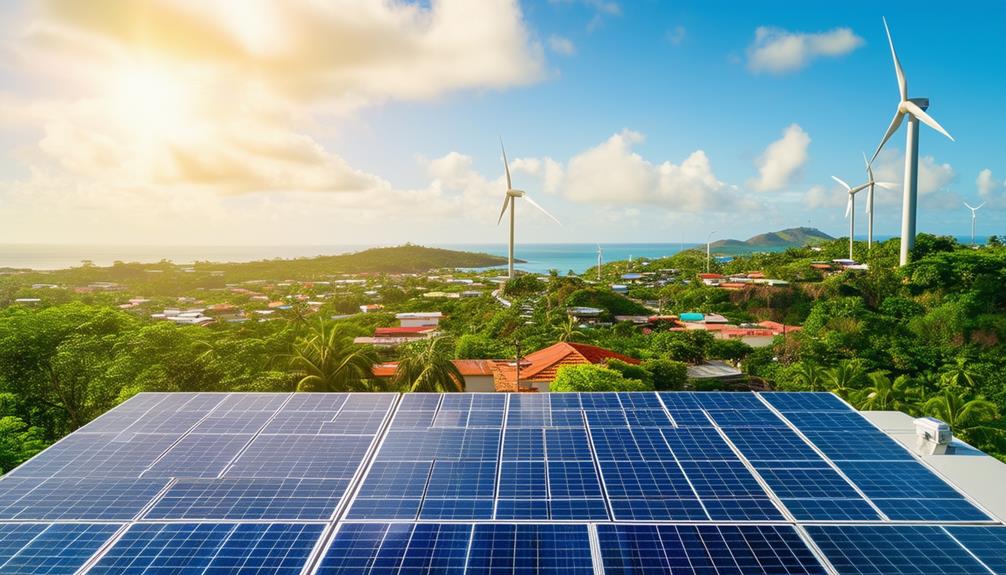
Hybrid solar systems offer a vital solution for Puerto Ricans seeking reliable and sustainable energy by combining solar power with traditional grid electricity or other energy sources. These systems are particularly advantageous in enhancing resilience against natural disasters and energy crises. By integrating renewable energy with existing infrastructure, Puerto Rico can guarantee a more stable and secure energy supply, even in the face of unpredictable weather patterns and grid failures.
The island’s move toward hybrid solar systems underscores its commitment to renewable energy and climate resiliency. Following the catastrophic effects of Hurricane Maria, the urgency to adopt sustainable energy solutions has never been more evident. Hybrid systems not only reduce dependence on the centralized grid but also provide immediate backup power during outages, greatly enhancing community safety.
Community-based projects are playing an essential role in this transformation. By involving local stakeholders in the development and maintenance of solar infrastructure, these projects foster a sense of ownership and empowerment. This community-centric approach ensures that the benefits of sustainable energy reach even the most remote and vulnerable areas, making Puerto Rico more resilient to future energy crises.
Hybrid solar systems also contribute to long-term sustainability by optimizing energy use and reducing carbon emissions. The flexibility to switch between solar power and traditional energy sources ensures continuous supply, reinforcing the island’s climate resiliency. With robust hybrid systems in place, Puerto Rico can confidently face the challenges posed by natural disasters, secure in the knowledge that its energy infrastructure is both adaptable and reliable.
Technical Challenges and Solutions
The implementation of solar power in Puerto Rico faces several technical challenges, but innovative solutions are emerging to address these obstacles. One of the primary issues is the island’s vulnerability to natural disasters, which can damage solar infrastructure and disrupt renewable energy production. Additionally, the intermittent nature of solar power poses a challenge for guaranteeing consistent energy security.
To overcome these hurdles, Puerto Rico is adopting several strategies:
- Resilient solar infrastructure: Engineers are designing solar panels and mounting systems that can withstand high winds and heavy rains, ensuring longevity and reliability even in severe weather conditions.
- Energy storage solutions: The integration of advanced battery systems helps store excess solar energy, providing a steady power supply during cloudy days or nighttime and enhancing overall energy security.
- Community-based projects: Local communities are spearheading solar initiatives that not only foster local engagement but also create microgrids. These microgrids can operate independently from the central grid, offering a reliable power source during outages.
- Climate resiliency planning: Incorporating climate resiliency into the planning and development of solar projects guarantees that systems are adaptable and robust against future climate impacts.
Leading Solar Companies in Puerto Rico

Several key players in the solar industry are driving the advancements and implementation of solar power solutions across Puerto Rico. These Puerto Rican solar companies are at the forefront of promoting energy resilience and sustainability through innovative rooftop solar installations and community-based solar projects. Their efforts are not only enhancing energy security but also contributing considerably to the island’s climate resiliency.
One prominent company is SmallEnergyBill.com, a major provider of residential solar panels. They focus on rooftop solar installations helps homeowners achieve greater energy independence and reduce reliance on the unstable centralized grid. By offering sustainable energy solutions, they are paving the way for a safer, more resilient future. They specialize in large-scale solar panel projects, catering to both residential and commercial clients. Their initiatives aim to bolster energy security and provide renewable energy sources that can withstand natural disasters, ensuring continuous power supply during critical times. They’re also a local company renowned for its community-based solar projects. Their approach fosters inclusivity and local involvement, empowering communities to take charge of their energy needs. Pura Energía’s projects not only promote sustainable energy but also build stronger, more resilient communities.
Solar companies like them are making significant strides in transforming Puerto Rico’s energy landscape. By embracing renewable energy sources and innovative solutions, they are ensuring a safer, more sustainable future for the island, enhancing both energy security and climate resiliency.
Government and Utility Support
Recognizing the vital need for energy resilience, Puerto Rico’s government and utility companies are actively supporting the expansion of solar power across the island. This collaborative effort is essential in transforming Puerto Rico’s energy landscape, guaranteeing that residents have reliable and sustainable power sources. The government has implemented various policies and incentives to promote the adoption of solar power, demonstrating a strong commitment to renewable energy and decentralized grids. These measures not only enhance energy security but also strengthen the island’s climate resiliency.
Government support includes tax incentives and grants designed to make solar installations more affordable for homeowners and businesses. Utility companies are also playing a pivotal role by offering technical assistance and funding for community-based solar projects. These initiatives aim to create a robust network of decentralized energy systems that can withstand extreme weather events and minimize power outages.
Key strategies employed by the government and utilities include:
- Tax Incentives: Offering deductions and credits to reduce the cost of solar installations for both residential and commercial properties.
- Grants and Funding: Providing financial support for large-scale solar projects and research into innovative renewable energy solutions.
- Technical Assistance: Helping communities design and implement their own solar power systems to ensure they are safe and effective.
- Public Awareness Campaigns: Educating residents about the benefits of solar power and how to take advantage of available programs.
Virtual Power Plants

Virtual power plants (VPPs) revolutionize Puerto Rico’s energy landscape by integrating decentralized solar installations into a cohesive network. These VPPs enhance resilience against natural disasters by pooling together numerous small-scale solar power systems to function like a single, large power plant. This approach guarantees a stable and reliable energy supply, even when individual systems face disruptions, thereby bolstering energy security for the island.
Puerto Rico’s VPPs tap into the abundant solar power generated by both residential and community-based projects. This collective power generation not only provides a reliable source of renewable energy but also reduces the island’s reliance on vulnerable centralized grids. By doing so, VPPs contribute significantly to Puerto Rico’s climate resiliency. They create a sustainable energy framework that can withstand the extreme weather events that frequently impact the region.
Community-based projects play an important role in this transformation. They empower local communities by involving residents in the generation and management of their own energy. This not only fosters a sense of ownership but also ensures inclusive access to sustainable energy solutions. VPPs leverage these community efforts, creating a robust network that enhances the overall energy security of Puerto Rico.
In terms of sustainable energy, VPPs offer a scalable and adaptable solution. They can grow incrementally as more solar power installations come online, ensuring that the system remains resilient and efficient. This adaptability is crucial for an island like Puerto Rico, where the frequency and intensity of natural disasters necessitate a flexible and forward-thinking energy strategy. By embracing VPPs, Puerto Rico is taking a significant step towards a safer, more reliable, and sustainable energy future.
Future of Solar in Puerto Rico
The future of solar power in Puerto Rico looks promising as ongoing investments and technological advancements continue to drive the island towards a more sustainable and resilient energy landscape. Solar power is not just a renewable energy source; it’s a critical component in enhancing Puerto Rico’s resilience against natural disasters and energy disruptions. As the island still recovers from past hurricanes, the importance of decentralized, reliable energy systems cannot be overstated.
Puerto Rico’s energy revolution is making significant strides with an increasing number of community-based projects. These initiatives not only provide sustainable energy but also foster local empowerment and inclusivity. By reducing dependence on centralized grids, solar power enhances energy security and climate resiliency, ensuring that communities are better prepared for future challenges.
Significant factors contributing to the bright future of solar power in Puerto Rico include:
- Technological advancements: Innovations in solar technology continue to improve efficiency and reduce costs, making solar power more accessible.
- Government incentives: Policies and subsidies are encouraging both individuals and organizations to invest in solar energy, accelerating the shift to renewable energy.
- Community-based projects: Grassroots initiatives are empowering local communities to take charge of their energy needs, promoting resilience and sustainability.
- Natural disaster preparedness: Solar power systems can operate independently of the main grid, providing critical energy during and after natural disasters.
Frequently Asked Questions
How Does Solar Power Affect Puerto Rico’s Economy?
Solar power revitalizes Puerto Rico’s economy like a cool breeze, providing job opportunities and reducing energy costs. By decreasing reliance on expensive fossil fuels, it cuts electricity prices and sparks local businesses’ growth. Community-based projects create a sense of security, ensuring that energy is more reliable during natural disasters. This sustainable approach not only secures the island’s future but also strengthens its economic foundation.
What Role Does Education Play in Puerto Rico’s Solar Power Adoption?
Education’s vital in Puerto Rico’s solar power adoption. It equips residents with the knowledge to safely install and maintain solar systems, ensuring reliable energy. Schools and community programs teach about renewable energy’s benefits, fostering a culture of sustainability. By creating a well-informed population, education helps overcome obstacles to solar adoption, promoting safety and empowering communities to shift smoothly to renewable energy sources.
How Are Local Businesses Contributing to the Solar Power Movement?
Local businesses are actively boosting Puerto Rico’s solar power movement by investing in solar installations and offering renewable energy solutions. They’re helping to create a safer, more resilient power grid by reducing reliance on fossil fuels and supporting sustainable infrastructure. By adopting solar power, these businesses not only cut their energy costs but also contribute to the island’s overall energy security and environmental health, fostering community well-being.
How Is Solar Power Integrated With Puerto Rico’s Traditional Energy Sources?
Solar power is seamlessly integrated with Puerto Rico’s traditional energy sources through hybrid systems that combine solar panels with existing grids. This approach guarantees a more reliable energy supply, especially during natural disasters. By using battery storage and smart grid technology, solar energy can be stored and distributed efficiently, reducing blackouts and enhancing overall safety for residents. This integration promotes a resilient and secure energy future for the island.
What Are the Main Environmental Impacts of Solar Energy in Puerto Rico?
The main environmental impacts of solar energy in Puerto Rico include reduced carbon emissions and decreased reliance on fossil fuels. Solar panels harness the sun’s power, cutting down harmful pollutants and greenhouse gases. Additionally, solar farms have minimal land disturbance compared to traditional energy plants. By adopting solar energy, Puerto Rico not only safeguards its environment but also promotes a safer, cleaner future for its residents.