
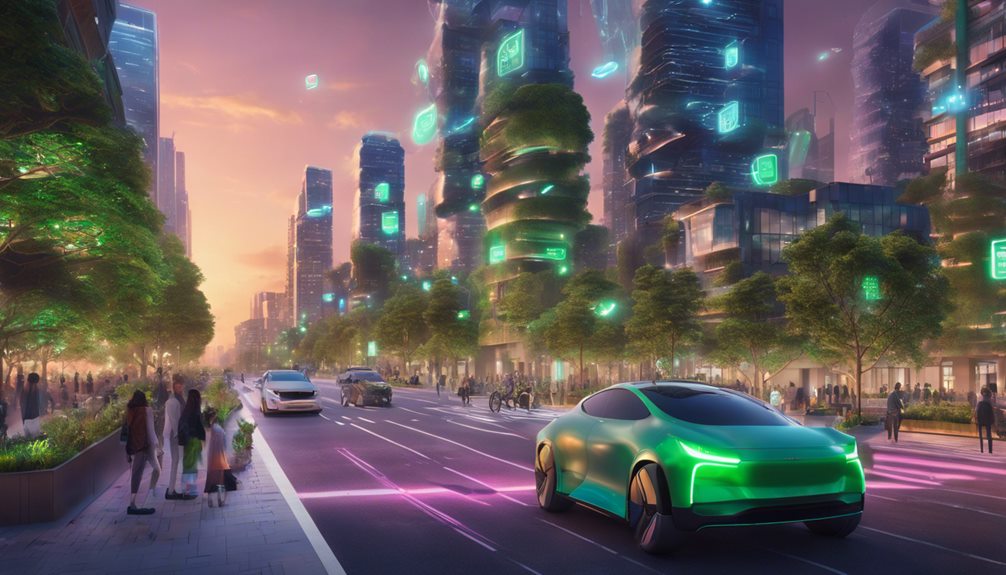
Smart cities are swiftly transforming urban living by integrating technology and data to improve quality of life and promote sustainability. Key innovations like IoT and AI facilitate real-time data management, enhancing public services and resource efficiency. With a focus on equitable access and citizen engagement, these cities cultivate community ownership and customized solutions. Benefits include better mobility, improved safety, and reduced ecological footprints. Nevertheless, challenges like data privacy and infrastructure costs must be addressed. As investment grows, smart cities are poised to shape the future of urban environments profoundly. Explore the evolving trends that are shaping this exciting urban environment.
Definition of Smart Cities
Smart cities represent a paradigm shift in urban development, characterized by the integration of technology and data to improve the quality of life for residents. At their core, smart cities utilize advanced urban infrastructure to create interconnected systems that facilitate efficient resource management and improved public services. This integration of data not merely streamlines operations but additionally nurtures a more responsive governance model that prioritizes community engagement.
In smart cities, sustainable development is fundamental, ensuring that urban growth aligns with environmental stewardship and social equity. By utilizing big data and IoT technologies, city planners can make informed decisions that address issues such as traffic congestion, energy consumption, and waste management, all during the promotion of citizen participation. This participatory approach empowers residents to voice their needs and preferences, eventually leading to more customized and effective urban solutions.
Technological accessibility plays a vital role in this framework. Ensuring that all citizens have equitable access to digital tools and platforms is important for nurturing inclusivity and improving community resilience. The active involvement of citizens in decision-making processes not merely strengthens democratic values but additionally develops a shared sense of ownership over local initiatives.
Key Technologies Driving Change
The terrain of urban development is being reshaped by several key technologies that are pivotal in driving the evolution of cities into smarter, more efficient environments. At the forefront is IoT integration, which enables the interconnectivity of devices, facilitating real-time data exchange that improves decision-making. This technological synergy is further amplified by advanced data analytics, empowering city planners and administrators to derive actionable insights from vast datasets, optimizing urban mobility and resource allocation.
Sustainable infrastructure represents another cornerstone of smart city initiatives, integrating green technologies that cultivate resilience against climate change while promoting energy management strategies. By leveraging renewable energy sources and smart grids, cities can greatly reduce their carbon footprint and operational costs.
Moreover, the emphasis on citizen engagement is transforming the relationship between residents and local governments. Through digital platforms, citizens can actively participate in urban planning processes, improving public safety by nurturing community cooperation and responsiveness to emerging threats.
Digital governance streamlines administrative processes, allowing for more efficient service delivery and improved transparency. This paradigm shift not only bolsters public trust but also guarantees that resources are allocated effectively to meet the needs of the populace. By leveraging innovative technologies, governments can enhance data security and minimize bureaucratic redundancies. A prime example is how blockchain is transforming systems by ensuring tamper-proof record-keeping and facilitating seamless transactions. This technological advancement fosters accountability and reinforces the integrity of public sector operations.
Benefits for Urban Residents
Urban residents stand to gain considerably from the integration of advanced technologies and sustainable practices within their cities. The advent of smart city initiatives cultivates improved mobility, allowing residents to navigate urban environments with unprecedented ease. Intelligent transportation systems optimize traffic flow, reducing congestion and improving overall accessibility. This not merely saves time but further bolsters productivity, empowering citizens to engage more fully in their professional and personal lives.
Moreover, improved safety measures are a hallmark of smart cities. The deployment of real-time surveillance, coupled with data analytics, provides law enforcement with the tools necessary to preemptively address crime, ensuring a secure environment for all. Such advancements contribute to a palpable sense of safety and stability, which is imperative for community cohesion.
Environmental sustainability is another critical benefit, as smart cities utilize renewable energy sources and smart waste management systems to minimize their ecological footprint. In doing so, they promote a healthier urban ecosystem, which directly correlates with the health benefits enjoyed by residents. Cleaner air and reduced pollution levels create an environment conducive to physical and mental well-being.
Increased efficiency permeates various aspects of urban life, from resource management to service delivery. This efficiency translates into cost savings for both residents and local governments, eventually improving the quality of life.
Lastly, community engagement is amplified through digital platforms that enable residents to voice their opinions and collaborate on urban development initiatives. By utilizing technology, smart cities empower citizens, nurturing a sense of ownership and pride in their communities.
Challenges and Considerations
Charting the intricacies of smart city development presents a myriad of challenges that must be addressed to assure sustainable progress. Foremost among these is the critical issue of data privacy. With the proliferation of interconnected devices, the volume of data generated poses significant risks; safeguarding citizen information is essential to maintaining public trust. In addition, the high infrastructure costs associated with implementing advanced technologies create barriers for many municipalities, potentially exacerbating existing equity issues in urban environments.
Citizen engagement is another crucial consideration. Effective smart city initiatives require the active participation of residents to guarantee that developments align with community needs and values. This necessitates robust policy frameworks that promote inclusivity and transparency, allowing for meaningful dialogue between stakeholders. Furthermore, technology integration across diverse platforms must be carefully managed to avoid fragmentation, which could hinder operational efficiency.
Security concerns also loom large in the smart city arena. As urban areas become increasingly reliant on digital systems, vulnerabilities to cyberattacks grow, necessitating extensive strategies to protect critical infrastructure and sensitive data. Moreover, the environmental impact of smart technologies must be evaluated; while they offer potential benefits in sustainability, the lifecycle of these technologies—from production to disposal—can pose ecological challenges.
Future Trends in Smart Urbanism
As cities grapple with the intricacies of integrating smart technologies, emerging trends in smart urbanism are beginning to reshape the environment of urban living. The focus on sustainable infrastructure is essential, as municipalities seek to balance growth with environmental stewardship. This shift is promoting innovative governance models that prioritize transparency and accountability, critical for gaining public trust.
Citizen engagement is evolving, with platforms that facilitate real-time feedback and participation in decision-making processes. This shift guarantees that urban development aligns with the needs and aspirations of residents, promoting digital equity across demographics. By utilizing data analytics, cities can optimize urban mobility, improving transportation systems to be more efficient and accessible, thereby reducing congestion and lowering carbon footprints.
Moreover, the integration of smart energy solutions is paving the way for cities to leverage renewable resources effectively, guaranteeing energy security while minimizing environmental impact. Nevertheless, as these advancements unfold, data privacy remains a significant concern. Policymakers must navigate the delicate balance between utilizing data for urban improvement and protecting citizens' personal information.
In addition, the emphasis on environmental resilience is becoming increasingly important as cities face the realities of climate change. By adopting forward-thinking strategies, urban planners are equipping cities to withstand and adapt to environmental challenges. Ultimately, the future of smart urbanism hinges on the collaborative efforts of citizens, governments, and technology, promising a transformative pathway leading to cities that are not only smart but also sustainable and equitable.
Frequently Asked Questions
How Do Smart Cities Impact Local Economies and Job Markets?
Smart cities considerably influence local economies and job markets by nurturing economic growth through technology integration. The implementation of advanced technologies creates new industries and improves existing ones, leading to job creation across various sectors. Additionally, these urban environments prioritize workforce development, equipping residents with crucial skills to thrive in an increasingly digital setting. Ultimately, the synergy between innovation and employment opportunities positions smart cities as pivotal drivers of regional economic prosperity and resilience.
What Role Do Citizens Play in Smart City Development?
Citizens are the backbone of smart city development, much like the foundation of a sturdy building. Their involvement through citizen engagement and community collaboration guarantees that the needs and aspirations of the populace are addressed. By participating in decision-making processes, residents can influence policies that shape their environment. This active participation not just cultivates a sense of ownership but additionally drives innovation, making cities more responsive and resilient to the dynamic challenges they face.
Are There Privacy Concerns Associated With Smart City Technologies?
Yes, privacy concerns associated with smart city technologies are significant. The integration of advanced data collection methods raises issues regarding data security and the potential for surveillance risks. Citizens may feel their personal information is vulnerable to unauthorized access or misuse. As urban environments adopt these technologies, stakeholders must prioritize robust privacy frameworks to safeguard individual rights as they leverage the benefits of innovation, ensuring a balance between security and the empowerment of community members.
How Do Smart Cities Address Environmental Sustainability Issues?
In the grand fabric of urban life, smart cities weave threads of green infrastructure and energy efficiency into their very essence. Like mighty oaks nurturing urban biodiversity, these cities champion sustainable transportation initiatives and innovative waste management practices. As guardians of climate resilience, they navigate the storms of environmental challenges, ensuring a harmonious balance between progress and preservation. Consequently, they stand as beacons of hope, illuminating the path toward a sustainable future for all.
What Are the Most Successful Examples of Smart Cities Globally?
Globally, several smart cities exemplify successful implementation of innovative practices. Barcelona stands out for its commitment to innovation, improving urban living through technology-driven solutions. Singapore thrives in mobility, optimizing transportation systems for efficiency and sustainability. Amsterdam is a leader in connectivity, nurturing seamless communication networks that improve citizen engagement. Furthermore, Seoul leverages advanced technology to streamline urban services and elevate quality of life, setting benchmarks for future urban development initiatives worldwide.