
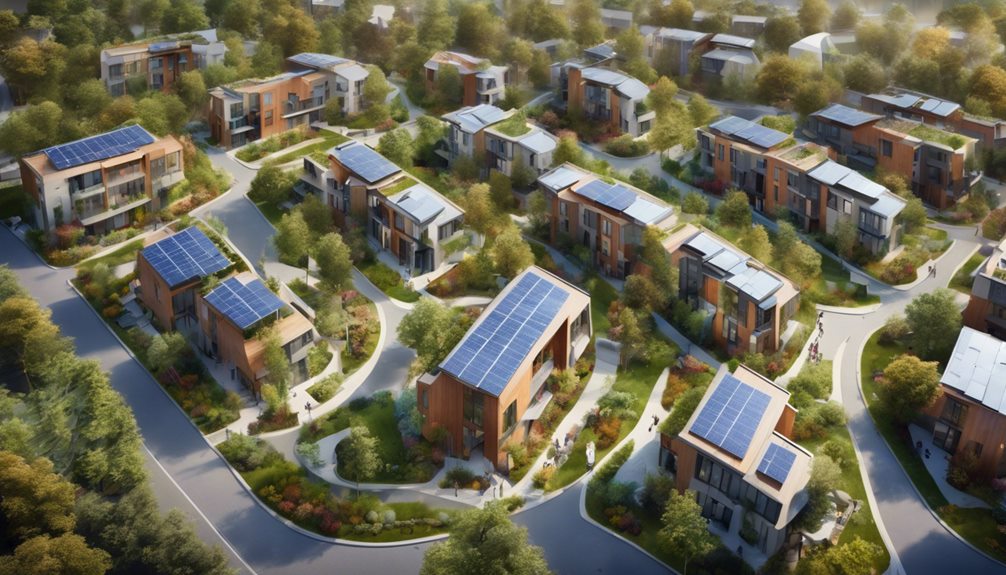
Sustainability is reshaping the housing market by influencing both buyer preferences and construction methods. Increasing demand for eco-friendly homes emphasizes energy efficiency, sustainable materials, and innovative building practices. Homebuyers are willing to pay a premium for properties boasting green certifications and renewable energy features. Furthermore, government incentives and policies are promoting sustainable practices, making them more accessible. As the market continues to evolve, property values tied to sustainable attributes are on the rise. The ongoing integration of green technologies and materials suggests a lasting impact on housing trends that merits further exploration.
Understanding Sustainable Housing
In today's housing market, many individuals and families are increasingly aware of the significance of sustainable housing. This growing awareness is a response to the pressing environmental challenges facing urban areas, including pollution, resource depletion, and climate change. Sustainable housing refers to the development of residential properties that meet current needs without compromising future generations' ability to meet theirs. Central to this concept is the principle of affordable sustainability, which emphasizes the need for eco-friendly housing options that are economically viable for a broad spectrum of the population.
Urban planning plays a critical role in the promotion of sustainable housing. Thoughtful urban planning incorporates green building practices, efficient land use, and the integration of renewable energy resources. This approach not only improves the livability of urban environments but also guarantees that housing developments are resilient and adaptable to changing climate conditions. By prioritizing sustainability in urban planning, municipalities can create communities that support both economic growth and environmental stewardship.
Moreover, comprehending sustainable housing involves recognizing the importance of energy efficiency, water conservation, and the use of sustainable materials. Buyers are increasingly seeking homes that minimize environmental impact during maximizing comfort and functionality. By making informed decisions about their housing choices, individuals can exert control over their living environments, contributing to a more sustainable future. In the end, the intersection of affordable sustainability and effective urban planning is essential for creating housing solutions that are both environmentally responsible and accessible to all.
Benefits of Eco-Friendly Homes
Although eco-friendly homes are often linked with environmental benefits, they also offer significant advantages for homeowners. Through sustainable design and the use of eco-friendly materials, these homes not only reduce the ecological footprint but also improve the living experience for residents. The advantages can be categorized into financial, health, and longevity benefits, which can empower homeowners to make informed choices.
| Category | Benefits |
|---|---|
| Financial Savings | Lower utility bills because of energy-efficient systems |
| Health Improvements | Improved indoor air quality from non-toxic materials |
| Property Value | Increased resale value as demand for green homes grows |
| Maintenance Costs | Reduced long-term maintenance with durable materials |
By investing in eco-friendly homes, homeowners can achieve substantial savings over time. Energy-efficient systems lead to lower utility expenses, while eco-friendly materials contribute to a healthier living environment, thereby improving overall well-being. Moreover, properties built with sustainable design principles tend to appreciate in value, providing a compelling return on investment.
In addition, eco-friendly homes often require less maintenance because of the durability of the materials used, which translates to more cost savings. As the market increasingly recognizes these benefits, homeowners can take control of their investments by opting for sustainable living solutions that meet their financial and personal health objectives. Ultimately, the change to eco-friendly homes represents a strategic approach to both personal comfort and financial prudence.
Market Demand Trends
As consumer awareness of environmental issues grows, preferences for eco-friendly homes are increasingly shaping the housing market. This shift is further supported by various green building incentives that encourage sustainable construction practices. Grasping these market demand trends is crucial for stakeholders aiming to align with the evolving expectations of homebuyers.
Eco-Friendly Home Preferences
As the housing market continues to evolve, a significant shift toward eco-friendly home preferences has emerged, driven by increasing awareness of environmental issues and a desire for sustainable living. Consumers are now prioritizing homes constructed with sustainable materials that promote energy efficiency and minimize waste. Eco-friendly designs, such as passive housing, incorporate features that reduce energy consumption during maximizing comfort.
Moreover, the integration of smart home technology is becoming crucial, enabling homeowners to monitor energy usage and implement water conservation strategies effectively. Green certifications, which validate a home's sustainability claims, are likewise influencing buyer decisions, as they seek properties that align with their values.
Urban gardening initiatives are gaining traction, allowing residents to cultivate their own food in limited spaces, thereby enhancing community ties and promoting self-sufficiency. Biophilic design, which connects occupants with nature, is increasingly sought after for its mental and physical health benefits.
To guarantee ideal home performance, potential buyers are encouraged to conduct energy audits, revealing opportunities for improvement. This multifaceted approach to eco-friendly living not merely meets consumer demand but additionally cultivates a more sustainable future for communities.
Green Building Incentives
In response to the rising market demand for sustainable housing, various green building incentives are being introduced by governments and organizations. These incentives are designed to encourage developers and homeowners to adopt sustainable design principles that not just improve environmental stewardship but likewise boost long-term economic viability.
Among the most effective incentives are green financing options, which provide favorable loan terms and interest rates to those investing in energy-efficient and environmentally friendly building practices. Such financial mechanisms empower stakeholders to undertake projects that might have otherwise seemed financially prohibitive, thereby promoting broader participation in sustainable housing initiatives.
Moreover, tax credits and rebates are increasingly available for the installation of renewable energy systems, energy-efficient appliances, and sustainable materials. These measures not only offset initial costs but additionally serve to heighten the market appeal of green homes, aligning with consumer preferences for eco-friendly living.
As these incentives gain traction, the housing market is witnessing a paradigm shift. Developers who embrace these strategies are not just positioned to meet growing consumer demand but are likewise boosting their competitive edge in a swiftly changing market environment.
Renewable Energy Integration
The integration of renewable energy in the housing market has gained significant traction, particularly through the adoption of solar energy technologies. As energy-efficient building practices become more prevalent, homeowners are increasingly seeking out incentives that support renewable installations. This shift not only improves energy sustainability but additionally aligns with broader environmental goals.
Solar Energy Adoption Trends
Solar energy adoption has emerged as a vital trend in the quest for sustainable housing solutions. As homeowners and developers increasingly recognize the long-term benefits of integrating solar technology, the housing market is experiencing a significant shift toward renewable energy. Recent solar panel innovations have improved efficiency and affordability, making solar installations more accessible. These advancements enable homeowners to take control of their energy consumption, reducing reliance on traditional energy sources and lowering utility costs.
Moreover, community solar initiatives are gaining traction, offering an alternative for those who may lack suitable rooftops for solar panels. These programs allow multiple households to collaboratively invest in solar energy, democratizing access to renewable energy and cultivating a sense of community engagement.
This trend not only promotes environmental sustainability but additionally improves property values and attracts environmentally conscious buyers. As the demand for energy-efficient solutions continues to rise, the integration of solar energy into housing strategies will play a vital role in shaping the future of the housing market, eventually leading to a more sustainable and resilient built environment. Embracing these trends is fundamental for homeowners and investors seeking to remain competitive in an evolving market setting.
Energy-efficient Building Technologies
A growing array of energy-efficient building technologies is transforming the housing market by seamlessly integrating renewable energy sources into residential design. These advancements not only improve energy performance but also empower homeowners to exert greater control over their energy consumption. As smart home technologies become increasingly prevalent, they facilitate real-time monitoring and management of energy use, leading to optimized efficiency and reduced costs.
The significance of building certifications, such as LEED and Energy Star, cannot be overstated. These certifications provide a clear framework for evaluating the sustainability of residential properties, offering potential buyers and investors a tangible measure of energy efficiency. Below is a summary of key energy-efficient technologies currently shaping the market:
| Technology | Benefits | Building Certifications |
|---|---|---|
| Solar Panels | Renewable energy generation | LEED, Energy Star |
| Energy-efficient Windows | Improved insulation | LEED |
| Smart Thermostats | Improved temperature control | Energy Star |
| LED Lighting | Reduced energy consumption | LEED, Energy Star |
As the housing market continues to evolve, the integration of these technologies will play a pivotal role in ensuring sustainable, energy-efficient living environments.
Incentives for Renewable Installations
Frequently, governments and local authorities implement various incentives to encourage the adoption of renewable energy installations in residential properties. These initiatives are designed to provide homeowners with the financial tools necessary for making informed decisions regarding renewable energy systems, such as solar panels or wind turbines.
Tax credits and installation rebates are among the most popular incentives, allowing homeowners to reduce their upfront costs considerably. Moreover, community programs often facilitate access to financing options that can help spread the investment over time, ensuring affordability. Environmental certifications may additionally boost property values, as homes equipped with renewable energy installations can appeal to eco-conscious buyers.
Utility partnerships also play an essential role, providing resources and support for homeowners during the installation process. Homeowner education initiatives help demystify approval processes and regional incentives, empowering individuals to navigate the intricacies of renewable energy integration. In addition, property assessments that account for renewable energy systems can improve the overall value of a home.
Green Building Materials
In recent years, the demand for green building materials has surged as homeowners and developers increasingly recognize their role in promoting sustainability. This shift is not merely a trend but a strategic response to the pressing need for environmentally responsible construction practices. Utilizing biodegradable materials and reclaimed resources, builders can considerably minimize waste and reduce their ecological footprint.
The concept of sustainable sourcing is crucial in this situation, guaranteeing that materials are obtained in a manner that preserves the environment. Energy-efficient materials, for instance, contribute to lower energy consumption, improving a property's overall sustainability profile. Low impact construction methods further emphasize the importance of utilizing resources that harmonize with the surrounding ecosystem.
Moreover, the integration of eco-friendly insulation and natural finishes not only improves energy efficiency but additionally boosts indoor air quality, creating healthier living environments. The practice of circular building, which emphasizes the reuse and recycling of materials, is gaining traction as it aligns with the principles of a circular economy.
To guarantee credibility and transparency, green certifications play a critical role, offering assurance to homeowners and stakeholders about the sustainability of building practices. Material transparency is increasingly demanded by consumers, allowing them to make informed choices that align with their values. As the housing market evolves, the incorporation of green building materials will certainly shape the future of construction, providing a framework for sustainable living and responsible stewardship of our planet.
Impact on Property Values
The increasing adoption of green building materials is having a notable influence on property values in the housing market. As environmental awareness escalates, buyers are increasingly prioritizing sustainability, which has led to a surge in demand for homes that incorporate eco-friendly features. Properties that are built with sustainable materials and meet certain sustainability certifications often command higher prices, as they are perceived as not just environmentally responsible but also energy-efficient, resulting in lower utility costs for homeowners.
Moreover, the impact of sustainability on property appraisal cannot be underestimated. Appraisers are beginning to factor in the presence of green certifications when evaluating property value. Homes that boast recognized sustainability certifications, such as LEED or Energy Star, tend to be viewed more favorably, reflecting positively in their appraised value. This shift in appraisal practices signals a growing recognition that sustainable features contribute to long-term value retention and appreciation.
As homeowners increasingly seek control over their environmental footprint, the housing market is evolving to accommodate these desires. Properties that integrate sustainability not only appeal to eco-conscious buyers but also provide a strategic advantage in a competitive market. In the end, the alignment of property values with sustainability principles is likely to continue shaping the housing environment, influencing both current trends and future developments. As the market evolves, it becomes clear that investing in sustainability is not merely a trend; it is an essential component of a strategically sound real estate investment.
Government Incentives and Policies
Amidst the growing emphasis on sustainability in the housing market, government incentives and policies play a crucial role in promoting eco-friendly practices among builders and homeowners. By establishing robust policy frameworks, governments can effectively drive the adoption of sustainable construction methods and energy-efficient home improvements. These frameworks serve as fundamental tools, guiding stakeholders in the direction of environmentally responsible choices while concurrently enhancing the overall livability of communities.
Government subsidies are particularly influential in this regard, providing financial assistance to both developers and buyers who prioritize sustainability. Such subsidies can reduce the initial cost barriers associated with green building technologies and renewable energy installations, thereby encouraging wider participation in sustainable practices. Furthermore, tax incentives for homeowners who invest in energy-efficient upgrades, such as solar panels or high-efficiency appliances, further incentivize the market in the direction of sustainability.
Moreover, effective policy frameworks can as well include regulations that mandate energy efficiency standards in new construction. By setting clear guidelines and expectations, governments can compel industry stakeholders to prioritize sustainability in their projects. This not only cultivates a competitive market but also assures consumers that their investments align with long-term environmental goals.
Ultimately, the interplay between government incentives and policies creates a conducive environment for sustainable housing. By leveraging these tools, authorities can steer the housing market towards a more resilient and eco-friendly future, empowering stakeholders to make informed decisions that align with both economic and environmental sustainability.
Future of Sustainable Real Estate
A significant shift in the direction of sustainable real estate is anticipated in the coming years as both consumer demand and regulatory pressures continue to rise. Stakeholders in the housing market are recognizing that sustainable architecture and urban planning are no longer optional, but crucial components of a forward-thinking real estate strategy. The integration of sustainability into housing will not just improve property values but will additionally contribute positively to community resilience and environmental stewardship.
Key trends shaping the future of sustainable real estate include:
- Increased Adoption of Green Building Standards: Developers will prioritize certifications such as LEED and BREEAM to meet consumer expectations and regulatory requirements.
- Smart Technology Integration: The use of IoT and energy-efficient systems will optimize resource management in sustainable buildings.
- Revitalization of Urban Areas: Adaptive reuse of existing structures will be emphasized to improve urban sustainability and reduce construction waste.
- Focus on Renewable Energy Solutions: Properties that incorporate solar panels, wind turbines, and other renewable resources will become increasingly attractive to buyers.
- Community-Centric Development: Urban planning will prioritize mixed-use developments that encourage community engagement and reduce reliance on automobiles.
As we move forward, real estate professionals must adapt to these evolving standards and consumer expectations. Embracing sustainable practices will not just secure a competitive advantage but will additionally contribute to a more sustainable future for our communities. The commitment to sustainable real estate is not just a trend; it is a requirement for thriving in an increasingly conscientious market. By prioritizing eco-friendly developments and energy-efficient designs, industry leaders can set new benchmarks for responsible growth. Consumers are becoming more discerning, considering factors like sustainability and ethical practices when making property decisions—including when researching how to choose a real estate agent who aligns with their values. As awareness increases, the real estate sector must proactively integrate sustainable solutions to meet both regulatory demands and buyer expectations.
Frequently Asked Questions
How Can Buyers Identify Truly Sustainable Homes?
Identifying truly sustainable homes requires a thorough evaluation of energy efficiency and material sourcing. Buyers should seek properties with certifications such as LEED or Energy Star, which indicate adherence to rigorous sustainability standards. Moreover, investigating the origin of building materials can reveal their environmental impact; locally sourced and renewable materials are preferable. Engaging with knowledgeable real estate professionals can provide insights and facilitate informed decisions, empowering buyers to make responsible and sustainable housing choices.
What Are Common Misconceptions About Sustainable Housing?
"All that glitters is not gold" aptly describes common misconceptions about sustainable housing. Many assume that green materials equate to higher costs, overlooking potential long-term cost savings through energy efficiency. Furthermore, some believe sustainable homes lack aesthetic appeal; nonetheless, design innovation often improves visual appeal as it reduces environmental impact. Misunderstandings about market trends can lead buyers to dismiss sustainable options, ultimately hindering informed decisions in a swiftly changing housing environment.
How Does Sustainability Affect Home Insurance Rates?
Sustainability greatly influences home insurance rates through improved energy efficiency and better risk assessment. Insurers often consider homes with energy-efficient features as lower risk because of their reduced likelihood of damages from climate-related events. As a result, properties that incorporate sustainable practices may enjoy lower premiums, reflecting their resilience and lower operational costs. Homeowners seeking control over their insurance expenses can benefit from investing in sustainable upgrades, thereby increasing their property's overall value and insurability.
Are There Specific Certifications for Sustainable Homes?
Yes, there are specific certifications for sustainable homes that emphasize green building and energy efficiency. Prominent certifications include Leadership in Energy and Environmental Design (LEED), the National Green Building Standard (NGBS), and Energy Star ratings. These certifications not only validate a home's sustainable practices but likewise provide homeowners with control over their energy consumption and environmental impact. Investing in certified sustainable homes can improve property value as well as promoting long-term ecological benefits.
What Role Do Local Communities Play in Promoting Sustainability?
Local communities serve as the bedrock of sustainability, symbolized by the roots of a tree that support its growth. Through community initiatives, residents encourage a culture of environmental stewardship, as local partnerships amplify their efforts. By collaborating on projects such as community gardens, recycling programs, and renewable energy initiatives, these groups cultivate a shared responsibility for the environment. This grassroots approach empowers individuals, instilling a sense of control over their ecological footprint and future sustainability.