
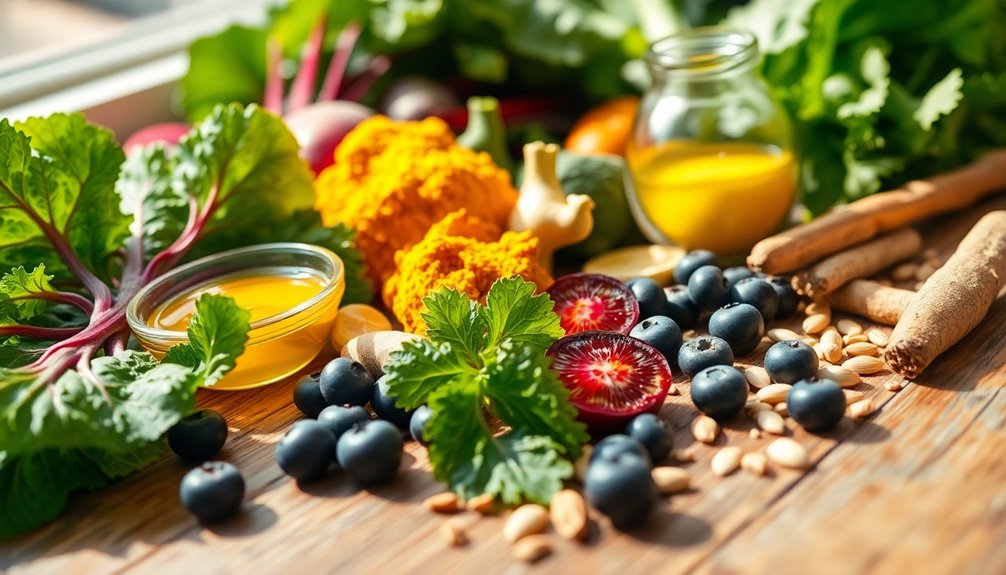
To reduce inflammation through diet changes, one should focus on nutrient-dense foods like fruits, vegetables, whole grains, and healthy fats. Omega-3 fatty acids found in fatty fish and nuts are particularly effective. Avoid inflammatory foods such as processed grains, trans fats, and excessive sugars. Incorporating spices like turmeric can further support the body. Staying hydrated and identifying food sensitivities likewise help manage inflammation. More strategies and meal ideas await for those interested in enhancing their dietary approach.
Article Highlights
- Incorporate nutrient-dense foods like fruits, vegetables, whole grains, and legumes to combat inflammation and support overall health.
- Reduce intake of processed foods, trans fats, and artificial additives that can exacerbate inflammatory responses.
- Include healthy fats, such as omega-3 fatty acids from fatty fish and walnuts, to help lower inflammation levels.
- Stay hydrated with water and hydrating foods like cucumbers and oranges to support bodily functions and reduce inflammation.
- Identify and eliminate food sensitivities to minimize inflammatory reactions and improve gut health.
Understanding Inflammation and Its Impact on Health
Inflammation serves as a critical biological response to injury or infection, acting as the body’s defense mechanism. Nevertheless, when it becomes chronic, it can exacerbate various chronic conditions and lead to persistent immune responses. Lifestyle factors, including diet myths and food sensitivities, can greatly influence inflammation levels. Individuals often overlook how gut health plays a pivotal role, as imbalances can trigger inflammation markers and increase oxidative stress. Stress management is equally important, as chronic stress can amplify inflammation and contribute to chronic pain. Comprehending these interconnected elements can empower individuals to make informed choices that support their health and well-being, in the end nurturing a community focused on healing and resilience.
How Diet Influences Inflammation Levels
Diet plays a vital role in shaping inflammation levels within the body, as certain foods can either exacerbate or alleviate inflammatory responses. Comprehending how dietary patterns and food choices impact inflammation is important for promoting overall health. Key factors include:
- Nutrient density: Foods rich in vitamins and minerals support immune function.
- Meal frequency: Regular, balanced meals can stabilize blood sugar and reduce inflammation.
- Gut health: A healthy microbiome contributes to lower inflammatory markers.
- Omega 6 intake: High levels may promote inflammation, particularly from processed foods.
- Food sensitivities: Identifying and avoiding trigger foods can mitigate inflammatory responses.
Anti-Inflammatory Foods to Embrace
Although many foods can trigger inflammation, an array of anti-inflammatory options exists that can help combat this issue. Incorporating berries benefits into meals provides antioxidants that fight inflammation. Leafy greens, such as spinach and kale, are crucial sources of vitamins and minerals. A variety of nuts, including walnuts and almonds, offers healthy fats that support overall health. Whole grains, like quinoa and brown rice, contribute to sustained energy and reduced inflammation. Including colorful vegetables boosts nutrient intake, whereas legumes supply protein and fiber. Furthermore, turmeric roots contain curcumin, known for its anti-inflammatory properties. Green tea is another excellent choice, rich in antioxidants. Finally, indulging in dark chocolate can provide satisfaction and health benefits when consumed in moderation.
How Omega-3s Help Tame Inflammation
Omega-3 fatty acids are celebrated for their potent role in reducing inflammation within the body. These crucial fats not only combat chronic conditions but likewise improve overall health. To effectively incorporate omega-3s into one’s diet, consider the following strategies:
- Omega 3 sources: Fatty fish, flaxseeds, and walnuts.
- Supplement options: Fish oil or algal oil capsules for non-meat eaters.
- Dosage recommendations: Aim for 1,000-3,000 mg daily, depending on individual needs.
- Cooking techniques: Use alternative fats like olive oil to promote nutrient absorption.
- Meal pairings: Combine omega-3-rich foods with lively vegetables for a balanced diet.
Through mindful dietary choices, individuals can utilize the inflammation benefits of omega-3s, encouraging a healthier lifestyle.
Top Anti-Inflammatory Spices You Should Use
Incorporating omega-3 fatty acids into a diet is just one way to combat inflammation; spices likewise play a significant role in this endeavor. Turmeric benefits from its active compound, curcumin, which possesses potent anti-inflammatory properties. Similarly, ginger properties help reduce inflammation and pain, making it a valuable addition to meals. Cinnamon effects can stabilize blood sugar and reduce inflammation, improving overall health. Garlic compounds are known for their immune-boosting qualities and anti-inflammatory effects. Cayenne pepper introduces capsaicin, which may alleviate discomfort. Black pepper improves nutrient absorption and offers additional anti-inflammatory benefits. Clove uses include its rich antioxidants, whereas rosemary extracts are praised for their ability to combat oxidative stress. Including these spices can greatly improve a diet aimed at reducing inflammation. Additionally, engaging in data-driven insights can help individuals understand the health impacts of their dietary choices more effectively.
Hydration: A Key Factor in Managing Inflammation
Hydration plays a vital role in managing inflammation, as adequate water intake helps maintain ideal bodily functions. Research indicates a strong connection between hydration levels and inflammatory responses, highlighting the significance of staying well-hydrated. Incorporating hydrating foods into one’s diet can further support this effort, providing fundamental nutrients alongside necessary fluids.
Importance Of Water Intake
Maintaining adequate water intake plays a crucial role in managing inflammation. Proper hydration supports various bodily functions and can aid in reducing inflammation. Here are some hydration tips to take into account:
- Aim for ideal intake by drinking at least 8 glasses of water daily.
- Incorporate water-rich foods like cucumbers, watermelon, and oranges.
- Monitor thirst signals to guarantee hydration needs are met.
- Be aware of hydration myths; not everyone needs the same amount of water.
- Balance electrolytes by including sources like coconut water or sports drinks in moderation.
Understanding the hydration effects on overall health can empower individuals to meet their daily goals, creating a supportive environment for those they serve.
Hydration And Inflammation Connection
How does hydration influence inflammation levels in the body? Adequate hydration plays an important role in maintaining fluid balance and can greatly impact inflammation. Hydration benefits extend beyond mere thirst quenching; it aids in nutrient transport and waste removal, which is fundamental for reducing inflammatory markers. Water sources, including herbal teas, contribute positively to overall fluid intake. Proper hydration timing is fundamental, especially during physical activity, as chronic dehydration can exacerbate inflammation. Furthermore, maintaining electrolyte balance is critical for ideal cellular function. Dispelling hydration myths, such as the notion that one can rely solely on caffeinated beverages, is important for promoting effective hydration practices. By comprehending these connections, individuals can better support their inflammation management efforts.
Best Hydrating Foods
Adequate fluid intake is complemented by the consumption of hydrating foods, which can greatly aid in managing inflammation. Incorporating nutrient-dense options not just supports hydration but additionally improves overall health. Key hydrating foods include:
- Hydrating fruits: Watermelon, strawberries, and oranges.
- Hydrating vegetables: Cucumber, lettuce, and celery.
- Coconut water: A natural source of electrolytes.
- Herbal teas: Soothing and hydrating, particularly when served warm.
- Chia seeds: Excellent for smoothies, providing hydration and omega-3 fatty acids.
Focusing on hydration timing and choosing seasonal produce can optimize the body’s electrolyte balance. The smoothies benefits derived from these ingredients promote wellness as they address inflammation effectively.
Inflammatory Foods to Avoid
Although many foods are celebrated for their health benefits, certain inflammatory foods should be avoided to reduce inflammation in the body. High consumption of sugar alternatives can lead to adverse effects, often found in processed grains that lack nutritional value. Furthermore, artificial additives contribute to inflammation and should be minimized. Trans fats, commonly present in fried and packaged foods, are known to exacerbate inflammatory responses. Refined oils, often used in cooking, can likewise promote inflammation because of their high omega-6 fatty acid content. In addition, excessive salt intake can lead to fluid retention and increased inflammation. Finally, although dairy substitutes may seem healthier, they can still trigger inflammatory reactions in sensitive individuals, along with red meat, which may similarly contribute to inflammatory processes.
Simple Substitutes for Inflammatory Foods
Eliminating inflammatory foods from the diet opens the door to healthier alternatives that can support overall well-being. Simple substitutions can greatly improve one’s nutritional profile as well as reducing inflammation. By incorporating these options, individuals can serve themselves and others better:
- Whole grain alternatives like quinoa or brown rice instead of refined grains
- Dairy substitutes such as almond or coconut milk
- Sugar replacements including honey or stevia
- Processed snack swaps for fresh fruits and veggies
- Red meat alternatives like lentils or chickpeas
Additionally, integrating legumes, exploring nut butter choices, selecting cooking oil options like olive oil, and incorporating gluten-free grains and fermented foods can further promote health and wellness. Nutrition plays a critical role in athlete performance and overall health, making these substitutions beneficial for everyone.
Meal Planning for Anti-Inflammatory Eating
Meal planning plays an essential role in adopting an anti-inflammatory diet. By incorporating key anti-inflammatory foods, individuals can effectively reduce inflammation and improve overall health. Weekly meal prep tips and sample meal plans provide practical guidance for maintaining this dietary approach.
Key Anti-Inflammatory Foods
Incorporating key anti-inflammatory foods into one’s diet can greatly impact overall health and well-being. These nutrient-dense options not only supply crucial vitamins and minerals but additionally help combat inflammation. Here are some strong choices to reflect upon:
- Berries: Rich in antioxidants, they offer significant benefits.
- Nuts: Packed with healthy fats, nuts nutrition supports heart health.
- Leafy Greens: These vegetables are crucial for providing important nutrients.
- Legumes: Known for their strength, they are a great source of protein and fiber.
- Turmeric: With various uses, this spice can improve many dishes.
In addition, incorporating garlic properties, avocados health, olive oil, whole grains, and even dark chocolate can further improve an anti-inflammatory diet.
Weekly Meal Prep Tips
How can one effectively prepare meals that support an anti-inflammatory diet? Meal prep basics begin with thoughtful ingredient selection, focusing on whole foods rich in antioxidants. Utilizing batch cooking can streamline the process, allowing for efficient preparation of multiple meals at once. To optimize pantry organization, keep anti-inflammatory staples easily accessible. Time-saving techniques, such as pre-chopping vegetables or cooking grains in bulk, can improve efficiency. Recipe ideas should emphasize flavor improvement while adhering to anti-inflammatory principles. Implementing portion control through proper storage solutions guarantees meals remain fresh and ready for serving. Finally, effective grocery shopping strategies, such as creating a focused list, can simplify the process and promote a commitment to maintaining an anti-inflammatory diet.
Sample Meal Plan Ideas
A well-structured meal plan can greatly improve adherence to an anti-inflammatory diet. Thoughtful meal prep enriches the experience for families, making healthy eating accessible and enjoyable. Here are some ideas to reflect upon:
- Breakfast Options: Overnight oats with berries and nuts.
- Lunch Recipes: Quinoa salad with chickpeas and mixed greens.
- Dinner Suggestions: Grilled salmon paired with steamed broccoli and sweet potatoes.
- Snack Ideas: Hummus with carrot and cucumber sticks.
- Dessert Alternatives: Chia seed pudding with almond milk and honey.
Utilizing these quick meals and family favorites allows for seamless food swaps. A well-organized grocery list can simplify shopping, ensuring that all ingredients are on hand for satisfying, inflammation-reducing meals.
Lifestyle Tips for Enhancing Your Anti-Inflammatory Diet
Many individuals seeking to improve their anti-inflammatory diet can benefit from simple lifestyle adjustments. Engaging in grocery shopping with a focus on seasonal ingredients allows for fresher, more nutrient-dense options. Practicing mindful eating encourages awareness of food choices, whereas portion control helps prevent overeating. Incorporating diverse cooking techniques can enrich flavors and retain nutrients, while food journaling tracks progress and identifies triggers. Emphasizing family meals nurtures connection and encourages shared healthy habits. Mindful snacking, using culinary herbs, can uplift meals and provide anti-inflammatory benefits. Finally, comprehending nutrient timing can optimize energy levels and recovery, ensuring a balanced approach to wellness. Together, these strategies empower individuals to promote a healthier lifestyle for themselves and others.
Frequently Asked Questions
Can Stress Levels Affect Inflammation in the Body?
Stress levels can greatly affect inflammation in the body. Effective stress management improves emotional resilience, which may mitigate inflammatory responses. Individuals can benefit from mindfulness techniques and relaxation methods, such as deep breathing and meditation, to lower stress levels. By incorporating these practices, one not only encourages personal well-being but also serves others by promoting a healthier environment. Therefore, addressing stress becomes an essential component in managing inflammation effectively.
How Long Does It Take to See Results From Dietary Changes?
Results from dietary changes, such as incorporating anti-inflammatory foods and intermittent fasting, can vary. Typically, individuals may begin to notice improvements within a few weeks, as their bodies respond to healthier choices. Improved energy levels and reduced inflammation symptoms may become apparent during this time. Nevertheless, sustained benefits often require consistent adherence to these dietary practices, encouraging a long-term commitment to well-being that can positively impact others in their community.
Are There Any Supplements That Help Reduce Inflammation?
Several supplements may help reduce inflammation. Turmeric benefits are widely acknowledged, thanks to its active compound, curcumin. Omega-3 sources, such as fish oil, are likewise effective, whereas ginger effects can further support anti-inflammatory efforts. Incorporating antioxidant-rich foods, like berries and leafy greens, together with green tea, improves overall health. Moreover, dietary fibers from whole grains and legumes contribute to a balanced diet, promoting wellness and potentially alleviating inflammation for those they serve.
Can Inflammation Be Completely Eliminated Through Diet?
Inflammation cannot be completely eliminated through diet alone, regardless of the benefits of anti-inflammatory foods. Although incorporating such foods can greatly reduce chronic inflammation and improve overall health, it is crucial to address other lifestyle factors as well. A balanced approach, including regular exercise and stress management, complements dietary changes. By serving others with knowledge about holistic health practices, individuals can nurture healthier communities and promote well-being through informed dietary choices.
How Do Sleep Patterns Influence Inflammation?
Sleep patterns greatly influence inflammation, a fact often overlooked in the pursuit of health. Ironically, as many chase fleeting remedies, it is the quality of sleep and adherence to circadian rhythms that can heal. Poor sleep cultivates chronic inflammation, whereas restorative rest promotes balance. Those wishing to serve others can make a profound impact by recognizing the importance of sleep, nurturing both their own well-being and that of those around them.