
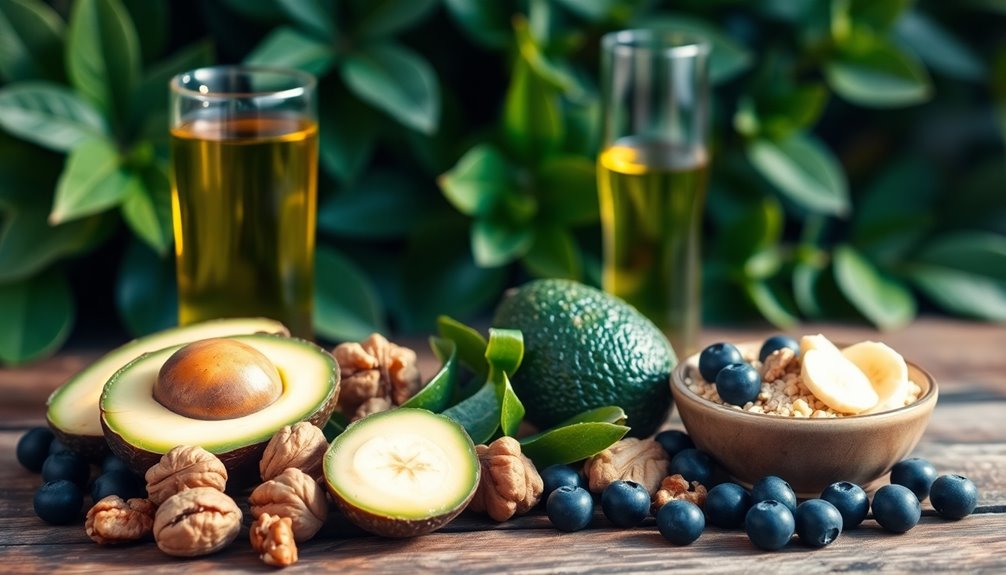
Maintaining healthy cholesterol levels naturally involves a combination of lifestyle changes and dietary adjustments. Incorporating heart-healthy fats, such as olive oil and avocados, can positively impact cholesterol. Increasing fiber intake from sources like oats and beans helps reduce cholesterol absorption. Regular exercise and effective stress management techniques greatly boost heart health. Routine health screenings are crucial for monitoring progress. To discover additional strategies for long-term cholesterol management, one can explore more on this topic.
Article Highlights
- Increase fiber intake through foods like oats, beans, and fruits to lower cholesterol absorption in the intestines.
- Incorporate heart-healthy fats, such as olive oil and avocado, into your diet for better cholesterol management.
- Engage in regular physical activity, including cardio and strength training, to boost HDL cholesterol levels and improve heart health.
- Practice stress management techniques, such as mindfulness and yoga, to support overall cardiovascular health.
- Consider supplements like omega fatty acids and plant sterols to help naturally lower cholesterol levels.
Understanding Cholesterol: The Good, the Bad, and the Ugly
Cholesterol plays an important role in the body, serving as a building block for cell membranes and hormones. Nevertheless, many individuals harbor cholesterol misconceptions, often viewing all cholesterol as harmful. In reality, cholesterol is divided into two main types: LDL (low-density lipoprotein), known as “bad” cholesterol, and HDL (high-density lipoprotein), deemed “good.” Comprehending this distinction is key for encouraging healthier choices. The lipid profile importance cannot be overstated, as it provides valuable insights into one’s cardiovascular health. Regular testing can help individuals recognize their cholesterol levels and make informed decisions. By promoting awareness and education about cholesterol, communities can support each other in achieving better health outcomes and dispelling myths surrounding this significant substance.
Why Lifestyle Changes Matter for Cholesterol Management
Making conscious lifestyle changes can greatly impact cholesterol management. Individuals aiming to support their health can adopt various lifestyle modifications that promote well-being. Holistic approaches, which encompass physical, emotional, and dietary adjustments, play a vital role in maintaining healthy cholesterol levels. Implementing dietary adjustments, such as incorporating more fiber-rich foods, can effectively lower cholesterol. Furthermore, stress management techniques, like mindfulness and regular physical activity, contribute to overall cardiovascular health. Routine check-ups are important for monitoring cholesterol levels and ensuring that lifestyle changes are having the desired effect. By prioritizing these changes, individuals not only improve their health but also cultivate a supportive community that values collective well-being.
How to Choose Foods That Lower Cholesterol Naturally
Choosing foods that lower cholesterol naturally involves a comprehension of heart-healthy fats, fiber-rich options, and antioxidant-rich ingredients. By selecting the right combinations, individuals can effectively manage their cholesterol levels. This section will outline key food categories that contribute to overall heart health.
Heart-Healthy Fats Selection
Incorporating heart-healthy fats into one’s diet can greatly impact cholesterol levels. Individuals seeking to support others in achieving better health can recommend options like olive oil, known for its beneficial monounsaturated fats. Avocado benefits include lowering bad cholesterol and adding creaminess to meals. Nut varieties, such as almonds and walnuts, provide crucial omega-3 fatty acids, along with diverse seed options like chia and flax. Fatty fish, including salmon and mackerel, should be encouraged for their heart-protective properties. Regarding cheese choices, opting for lower-fat versions can be a wise decision. Furthermore, using coconut oil in moderation can offer a flavorful cooking method while still maintaining health-focused intentions. Encouragement and variety are key in nurturing these dietary changes.
Fiber-Rich Foods Guide
A diet rich in fiber plays a significant role in managing cholesterol levels. Soluble fiber, found in oats, beans, and fruits, helps lower cholesterol by binding to it in the digestive system. Incorporating fiber sources into daily meals can improve gut health, providing additional fiber benefits. High fiber snacks, such as nuts and seeds, can likewise contribute to the recommended daily intake. For those struggling to meet their fiber goals, fiber supplements may be a helpful option. Creating fiber recipes that include both soluble and insoluble fiber guarantees a balanced approach. By prioritizing fiber and cholesterol management, individuals can support their overall health while serving others through shared, nutritious meals.
Antioxidant-Rich Options
Antioxidants play a crucial role in promoting heart health and lowering cholesterol levels naturally. Incorporating a variety of antioxidant-rich foods can provide significant benefits. Berry varieties such as blueberries and strawberries, alongside green vegetables like spinach and kale, offer high nutrient density. Furthermore, herbal teas and dark chocolate serve as delightful superfood options. Spice selections, such as turmeric and cinnamon, improve both flavor and health benefits. Choosing appropriate cooking methods, such as steaming or sautéing, can preserve these antioxidants effectively.
| Antioxidant Sources | Cooking Methods |
|---|---|
| Berry Varieties | Steaming |
| Dark Chocolate | Sautéing |
| Green Vegetables | Roasting |
Healthy Fats: Which to Include and Avoid for Cholesterol
Although the role of fats in diet has often been misunderstood, selecting the right types can greatly influence cholesterol levels. Healthy oils, such as olive and avocado oil, are beneficial fat sources that support heart health. It is imperative to adopt cooking methods that preserve these oils’ nutritional value, such as sautéing or drizzling rather than frying. Portion control plays a significant role in maintaining dietary balance, ensuring that fat types consumed do not overwhelm overall nutrition. Label reading is important; individuals should avoid trans fats and limit saturated fats. Thoughtful meal planning can integrate healthy fats while minimizing harmful ones, promoting a supportive environment for cholesterol management and overall well-being.
Fiber’s Impact on Cholesterol Control
Numerous studies highlight the significant role of dietary fiber in managing cholesterol levels. Soluble fiber, found in foods such as oats, beans, and fruits, helps reduce cholesterol absorption in the intestines, thereby lowering the risk of heart disease. By supporting intestinal health, fiber also improves the gut microbiome, which plays an essential role in overall wellness. Increasing daily intake of soluble fiber can be achieved through dietary sources or fiber supplements, making it accessible for those seeking to improve their cholesterol control. Educating others about the benefits of fiber can empower communities to adopt healthier eating habits, ultimately leading to improved cardiovascular health and reduced risks associated with heightened cholesterol levels.
How Regular Exercise Supports Healthy Cholesterol Levels
Engaging in regular exercise markedly contributes to maintaining healthy cholesterol levels. Cardio exercises, strength training, and yoga benefits work synergistically to improve heart health. Establishing varied exercise routines, including outdoor activities and group workouts, cultivates a supportive environment for individuals aiming for wellness. Additionally, incorporating mindfulness and stress management techniques can further enhance the overall impact of physical activity on heart health.
| Exercise Type | Benefits | Consistency Tips |
|---|---|---|
| Cardio Exercises | Boosts HDL cholesterol | Schedule regular sessions |
| Strength Training | Lowers LDL cholesterol | Track progress with fitness apps |
| Yoga | Reduces stress levels | Join classes for motivation |
| Outdoor Activities | Improves mood and endurance | Engage with friends |
| Active Hobbies | Encourages movement daily | Set achievable wellness challenges |
Incorporating these elements into a lifestyle promotes long-term heart health and inspires others to lead active lives.
How to Reduce Stress for a Healthier Heart?
Reducing stress is crucial for maintaining heart health and can be effectively achieved through various techniques. Mindfulness meditation offers a way to improve emotional well-being, whereas regular physical activity contributes to overall stress relief. Together, these approaches can notably enhance both mental and cardiovascular health.
Mindfulness Meditation Techniques
Though many individuals overlook the connection between stress and heart health, mindfulness meditation techniques offer a potent way to cultivate inner peace and emotional resilience. These practices enable individuals to focus on the present moment, reducing anxiety and promoting relaxation. By engaging in mindfulness techniques, such as deep breathing or guided imagery, one may experience notable meditation benefits, including lowered blood pressure and improved emotional well-being. This approach not merely nurtures personal health but also equips individuals to support others in their paths toward tranquility. By embracing mindfulness, communities can work together to create a supportive environment that prioritizes mental and emotional health, eventually leading to healthier hearts and improved quality of life for everyone involved.
Physical Activity Benefits
Physical activity serves as a potent tool for managing stress and promoting heart health. Engaging in cardio workouts and strength training not only improves cardiovascular fitness but also improves emotional well-being. Incorporating yoga benefits into one’s routine can nurture mindfulness and relaxation, further reducing stress. Outdoor activities and active hobbies encourage daily movement, connecting individuals with nature and community. Group exercises provide social support, nurturing camaraderie while improving physical fitness. Flexibility routines and balance exercises are crucial for overall body health, reducing injury risk. Moreover, sports participation can develop teamwork and resilience. By embracing varied physical activities, individuals can effectively manage stress, contributing to healthier cholesterol levels and a more lively life.
Why Regular Health Screenings Are Crucial for Cholesterol Management
Regular health screenings are crucial for effective cholesterol management, as they provide critical insights into an individual’s cardiovascular health. Appropriate screening frequency guarantees timely cholesterol tests, allowing for accurate risk assessment. These tests reveal important health indicators, enabling individuals to understand their cholesterol levels better. By reviewing lab results during doctor consultations, patients can engage in meaningful discussions about their heart health. Regular screenings promote preventive measures, empowering individuals to make informed lifestyle choices. Moreover, tracking progress over time helps assess the effectiveness of interventions and adjustments in diet and exercise. In the end, these proactive steps cultivate a supportive environment for maintaining healthy cholesterol levels and enhancing overall well-being, benefiting not just individuals but also the communities they serve.
Supplements That Lower Cholesterol
Exploring various supplements can considerably aid in lowering cholesterol levels. Omega supplements, rich in fatty acids, are known for their heart health benefits, whereas plant sterols can block cholesterol absorption in the intestines. Niacin benefits include improving HDL cholesterol, though adhering to dosage guidelines is crucial to avoid side effects. Red yeast rice, a natural extract, contains compounds that can reduce LDL cholesterol effectively. Furthermore, garlic capsules are recognized for their potential to promote healthy cholesterol levels. Incorporating these supplements into a daily routine may improve overall heart health. Nonetheless, individuals should consult healthcare professionals to guarantee proper usage and dosage, nurturing a supportive environment for community health improvement.
Creating a Sustainable Plan for Long-Term Cholesterol Health
Developing a sustainable plan for long-term cholesterol health requires a multifaceted approach that integrates dietary choices, physical activity, and lifestyle modifications. Individuals should educate themselves about cholesterol myths and dietary misconceptions to make informed decisions. Implementing a heart-healthy diet rich in fruits, vegetables, whole grains, and healthy fats can greatly impact cholesterol levels. Regular physical activity, such as walking or swimming, not only aids in maintaining a healthy weight but also improves overall cardiovascular health. Furthermore, managing stress and avoiding tobacco products further supports cholesterol management. By nurturing a supportive community and sharing knowledge, individuals can empower others to adopt these practices, creating a ripple effect that promotes long-term heart health for all.
Frequently Asked Questions
Can Genetics Affect My Cholesterol Levels Significantly?
Genetics can weave a complex fabric in the domain of cholesterol levels. Genetic predisposition plays a significant role, as individuals may inherit traits that influence their cholesterol metabolism. This cholesterol inheritance can lead to variations in baseline levels, sometimes setting the stage for health challenges. Comprehending these genetic factors is essential for those committed to serving others, as it encourages awareness and proactive measures in promoting heart health and overall well-being.
How Do Medications Impact Natural Cholesterol Management?
Medications markedly impact natural cholesterol management by altering lipid levels in the body. Common medication types, such as statins and fibrates, can effectively lower cholesterol but may likewise lead to side effects like muscle pain or digestive issues. Comprehending these effects is essential for healthcare providers, as they endeavor to balance medication benefits with potential drawbacks. This knowledge empowers them to guide patients in making informed decisions about their cholesterol management strategies.
Are There Specific Foods to Avoid for Better Cholesterol?
To improve cholesterol levels, it is recommended to avoid foods high in saturated and trans fats, often found in processed snacks and fatty meats. Many cholesterol myths suggest that dietary fats should be entirely eliminated, but healthy fats, like those from avocados and nuts, can be beneficial. By focusing on whole foods and reducing harmful fats, individuals can better manage cholesterol levels as they support the health of those they serve.
How Quickly Can Lifestyle Changes Improve Cholesterol Levels?
Lifestyle changes can lead to improvements in cholesterol levels within a few weeks to months. Regular exercise benefits cardiovascular health, promoting better lipid profiles. Furthermore, incorporating stress reduction techniques, such as mindfulness or yoga, can further improve these effects. Supporting others in their wellness paths can create a community focused on healthy living, nurturing shared motivation and accountability. These collective efforts finally contribute to long-term heart health and well-being for everyone involved.
What Role Does Age Play in Cholesterol Health?
Age acts like a slow river, gradually shaping the terrain of cholesterol health. As individuals age, age-related changes can considerably affect cholesterol metabolism. The body’s ability to process and regulate cholesterol diminishes, often leading to higher levels of LDL cholesterol and lower HDL cholesterol. Comprehending these shifts allows for proactive measures to support heart health, eventually nurturing a greater capacity to serve others through improved well-being and vigor.