
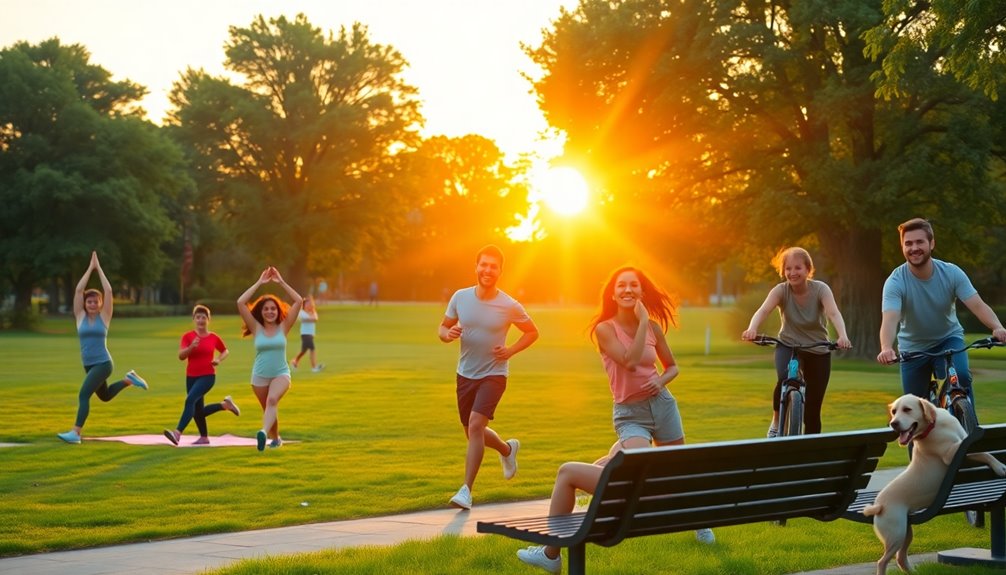
Consistent exercise considerably improves overall health by enhancing muscle function and cardiovascular fitness. It helps prevent chronic diseases like heart disease and diabetes during the boost of immune response. Mental well-being additionally benefits through the release of endorphins, reducing anxiety and depression. Building healthy habits, setting achievable goals, and nurturing a supportive community further amplify these benefits. Embracing challenges can strengthen resilience and motivation. There are more effective strategies and insights to explore for a transforming fitness path ahead.
Article Highlights
- Consistent exercise enhances cardiovascular health, improves circulation, and boosts overall heart function.
- Regular physical activity strengthens the immune system, reducing the risk of illness and chronic diseases.
- Exercise fosters mental well-being by releasing endorphins, alleviating anxiety, and enhancing emotional resilience.
- Establishing a routine cultivates healthy habits, promotes accountability, and helps achieve fitness goals.
- Diverse workouts engage various muscle groups, improving overall movement efficiency and metabolic rate.
The Science Behind Exercise and Health
Although many individuals recognize the benefits of regular physical activity, the underlying science reveals a complex interplay between exercise and health. Engaging in consistent exercise improves muscle memory, making movements more efficient over time. Moreover, it provides significant cardiovascular benefits, enhancing heart health and circulation. Regular physical activity also raises metabolic rate, aiding in weight management and energy levels. It promotes hormonal balance, which can stabilize mood and improve overall well-being. In addition, exercise boosts immune function, strengthening the body against illness. Joint health improves through increased flexibility and strength, whereas the longevity effects of regular activity contribute to a longer, healthier life. Finally, exercise is a significant tool for stress reduction, cultivating mental clarity and emotional resilience.
The Role of Exercise in Disease Prevention
Regular exercise plays a pivotal role in disease prevention, markedly reducing the risk of chronic conditions such as heart disease, diabetes, and certain cancers. Engaging in consistent physical activity strengthens disease resistance, improving critical health markers like blood pressure and cholesterol levels. The exercise benefits extend beyond physical health, as it boosts immune support, making the body more resilient against illnesses. Implementing lifestyle changes that incorporate regular movement promotes sustainable well-being and serves as a key preventive measure for individuals aiming to lead healthier lives. By prioritizing exercise, communities can cultivate environments where health flourishes, ultimately reducing the burden of chronic conditions and improving quality of life for all. Additionally, integrating performance analytics can provide insights into individual exercise routines, helping to optimize health outcomes.
How Exercise Boosts Mental Well-Being
Exercise not only improves physical health but also greatly boosts mental well-being. Engaging in regular physical activity cultivates mindful movement, allowing individuals to connect with their bodies and emotions. This practice elevates self-awareness and promotes a positive mindset. Moreover, exercise has been shown to increase emotional resilience, equipping individuals to better navigate life’s challenges. By releasing endorphins, physical activity alleviates symptoms of anxiety and depression, creating a sense of calm and fulfillment. Incorporating various forms of exercise into daily routines not only benefits the individual but inspires those around them to prioritize their mental health. In this way, exercise serves as a significant tool for nurturing emotional well-being and developing a supportive community. Additionally, athletes like Kevin Love’s mental health advocacy demonstrate the power of openness in promoting well-being.
What Types of Exercise Boost Energy Levels?
Physical activity not just improves mental health but furthermore plays a significant role in boosting energy levels. Energy boosting exercises can take various forms, including aerobic activities like running and cycling, which improve cardiovascular health. Strength training builds muscle, contributing to overall stamina. Interval workouts, characterized by alternating intense and moderate efforts, further raise energy levels. Incorporating yoga benefits, such as improved flexibility and mindfulness, can also improve liveliness. Outdoor exercises, like hiking or walking in nature, offer fresh air and sunlight, invigorating the body and mind. High-intensity training sessions maximize energy expenditure and can lead to increased endurance. Finally, flexibility routines help prevent injuries, allowing individuals to engage in activities that keep their energy levels high.
How Exercise Improves Sleep Quality
Exercise plays an essential role in enhancing sleep quality by increasing sleep duration and reducing the time it takes to fall asleep. Regular physical activity helps regulate circadian rhythms, leading to more restorative sleep. As a result, individuals often experience improved overall well-being and alertness during waking hours.
Enhanced Sleep Duration
Engaging in regular physical activity greatly improves sleep quality, leading to longer and more restorative sleep durations. By aligning exercise routines with the body’s natural circadian rhythm, individuals can boost their sleep cycles. This alignment promotes hormonal balance, facilitating better recovery strategies and stress reduction. Moreover, incorporating relaxation techniques post-exercise can further optimize bedtime habits, creating a conducive sleep environment.
| Factors Influencing Sleep Duration | Benefits of Regular Exercise |
|---|---|
| Sleep Cycles | Improved Sleep Quality |
| Circadian Rhythm | Improved Hormonal Balance |
| Recovery Strategies | Better Stress Management |
| Relaxation Techniques | Longer Sleep Durations |
| Bedtime Habits | Increased Overall Well-being |
Ultimately, consistent physical activity serves as an effective tool for achieving improved sleep duration and quality.
Reduced Sleep Onset Latency
Regular participation in physical activity has a significant impact on reducing sleep onset latency, the time it takes to fall asleep. Engaging in consistent exercise can help individuals establish healthier sleep patterns by aligning their circadian rhythms. This alignment promotes hormonal balance, crucial for quality sleep. Furthermore, physical activity contributes to stress reduction, allowing for a more tranquil mind at bedtime. When combined with effective relaxation techniques and structured bedtime routines, the benefits of exercise become even more pronounced. A conducive sleep environment further improves these effects, enabling individuals to fall asleep more swiftly and peacefully. By encouraging these practices, one can serve others by promoting better sleep health in their communities.
How to Build Healthy Exercise Habits
Establishing healthy exercise habits can greatly improve one’s overall well-being. By focusing on effective strategies, individuals can nurture sustainable routines that benefit not just themselves but additionally those around them. Consider these key elements:
- Goal Setting & Tracking Progress: Set achievable goals and regularly assess progress to maintain motivation and accountability.
- Exercise Variety & Enjoyable Activities: Incorporate diverse workouts that engage different muscle groups and keep the experience enjoyable.
- Time Management & Accountability Partners: Schedule workouts and partner with others for mutual encouragement, enhancing commitment and mental resilience. Additionally, goal setting helps provide focus and motivation for athletes, fostering a sense of purpose in their exercise routines.
It’s Never Too Late: Starting Your Fitness Journey Today
**
Starting a fitness expedition can happen at any stage of life, and embracing new beginnings is vital for personal growth. Many individuals face common barriers, such as time constraints or self-doubt, which can hinder their progress. Recognizing these challenges and taking the first step can transform one’s health and well-being. Additionally, cultivating mental toughness can empower individuals to overcome obstacles and maintain their commitment to fitness.
Embracing New Beginnings
Embracing new beginnings often ignites a spark of motivation, leading individuals to take the first steps toward a healthier lifestyle. This expedition is not solely about exercise; it encompasses personal growth and a positive mindset. By adopting new perspectives and pursuing fresh starts, individuals can nurture meaningful lifestyle changes.
Here are three strategies to support this transformation:
- Setting Goals: Establish clear, achievable objectives that motivate and guide progress.
- Embracing Challenges: View obstacles as opportunities for growth and resilience.
- Motivation Strategies: Surround oneself with supportive communities that encourage and uplift.
These elements create a foundation for sustained commitment, empowering individuals to embrace their fitness expedition wholeheartedly and serve others through their example.
Overcoming Common Barriers
Many individuals face obstacles when commencing their fitness paths, often feeling overwhelmed by perceived limitations. Common barriers include time constraints that hinder regular exercise, motivation issues that can lead to discouragement, and a lack of resources such as access to facilities or equipment. Moreover, injury concerns may deter newcomers, whereas self-discipline challenges complicate consistent effort. Societal pressures can amplify the fear of failure, making it difficult to start or maintain a routine. Additionally, knowledge gaps may prevent individuals from grasping effective methods to achieve their goals. By recognizing and addressing these obstacles, individuals can cultivate resilience and gradually set out on their fitness endeavors, proving that it is never too late to prioritize health and well-being.
Frequently Asked Questions
How Much Exercise Is Considered Consistent for Health Benefits?
Consistent exercise is typically defined as engaging in physical activity at least 150 minutes per week, as recommended by health guidelines. This frequency can be broken down into sessions of moderate-intensity activities, such as brisk walking or cycling, spread throughout the week. For those looking to serve others, promoting this level of exercise can encourage community health, improve well-being, and inspire individuals to adopt healthier lifestyles for themselves and those around them.
Can Exercise Help With Weight Management Long-Term?
Exercise can certainly aid in long-term weight management by promoting caloric balance. Regular physical activity, combined with mindful lifestyle changes, nurtures a sustainable approach to maintaining a healthy weight. It boosts metabolism, supports muscle retention, and encourages healthier eating habits, all of which contribute to lasting results. By integrating exercise into daily routines, individuals can cultivate a healthier environment not just for themselves but also for those around them, nurturing a supportive community.
What Foods Should I Eat to Complement My Exercise Routine?
To complement an exercise routine, individuals should focus on meal timing and nutrient balance. Consuming a mix of lean proteins, healthy fats, and complex carbohydrates can improve performance and recovery. Eating a balanced meal or snack before and after workouts guarantees sustained energy levels and proper muscle repair. Incorporating whole grains, fruits, vegetables, and sources of omega-3 fatty acids can further support overall health, benefiting not just the individual but additionally those they serve.
How Can I Stay Motivated to Exercise Regularly?
Staying motivated to exercise regularly often hinges on establishing exercise accountability and employing effective motivation techniques. Many individuals find that sharing their fitness goals with a supportive community nurtures a sense of responsibility. Furthermore, setting achievable milestones can ignite a spark of enthusiasm. By focusing on the shared joy of progress and the positive impact on others, individuals can create a rewarding environment that inspires sustained commitment to their fitness path.
Are There Specific Exercises for Different Age Groups?
Yes, specific exercises cater to different age groups. Youth activities often emphasize fun and engagement, incorporating sports, dance, and outdoor play to promote fitness and social skills. Conversely, senior fitness focuses on low-impact exercises, such as walking, swimming, and strength training, to improve mobility and balance. Tailoring exercise routines to these demographics not only nurtures physical health but additionally supports mental well-being, encouraging lifelong fitness habits within communities.